

Biophilic design, the practice of connecting indoor environments to nature, has moved well beyond houseplants on a windowsill. The best examples of biophilic home decor layer living elements, natural materials, and nature-inspired shapes into spaces that genuinely feel calming and restorative. Whether you want a single statement plant corner or a fully nature-woven interior, knowing where to start makes all the difference. This guide walks you through specific, actionable ideas so you can build a home that looks intentional and feels deeply good to live in.
Table of Contents
- Key takeaways
- 1. Understanding biophilic home decor: direct vs. indirect elements
- 2. Indoor plant corners and layered greenery
- 3. Living moss walls and large statement plants
- 4. Indoor water features and aquariums
- 5. Natural light and airflow as biophilic design tools
- 6. Nature-inspired colors, textures, and materials
- 7. Comparing biophilic decor options by effort and impact
- 8. Practical tips for sustainable, lasting biophilic decor
- My honest take on what actually works
- Bring your biophilic vision to life with Couchanddumbells
- FAQ
Key takeaways
| Point | Details |
|---|---|
| Direct vs. indirect elements | Biophilic decor splits into living elements like plants and water and non-living cues like natural textures and colors. |
| Curation beats quantity | A few strong nature gestures create more calm than dozens of small scattered plant pots. |
| Layer multiple patterns | Combining natural light, living plants, and organic materials creates a richer biophilic effect than any single element alone. |
| Low-maintenance wins | Easy-care plants and durable natural materials keep your space looking intentional without overwhelming upkeep. |
| Start small, build gradually | Introduce one or two biophilic features first, then layer more as you learn what works in your space. |
1. Understanding biophilic home decor: direct vs. indirect elements
Before you shop or rearrange, it helps to know how professionals think about this. Biophilic decor splits into two clear categories: direct elements, which involve actual living nature like plants, animals, water, and fire, and indirect elements, which use colors, organic shapes, natural patterns, and art to evoke nature without any living material present.
This distinction matters because it shapes how you plan a room. A space might get one or two direct elements and several indirect ones, and together they tell a coherent visual story. Coherent design that treats living things and nature cues as a unified strategy consistently outperforms rooms where unrelated nature items are just scattered around.
The 14-pattern framework from Terrapin Bright Green gives you a practical map for this. It identifies specific biophilic patterns, from visual connection with nature to dynamic light to presence of water, that you can match to the function and scale of each room. You do not need to apply all 14. Picking three or four that suit your home creates a noticeably more intentional result than random nature-themed shopping.
- Direct elements: live plants, indoor water features, aquariums, fireplaces, natural daylight
- Indirect elements: wood grain furniture, stone surfaces, linen textiles, botanical prints, earth-tone palettes
Pro Tip: Before buying anything, walk through your home and note which rooms feel closed off from the outside. Those are your highest-priority spaces for biophilic additions.
2. Indoor plant corners and layered greenery
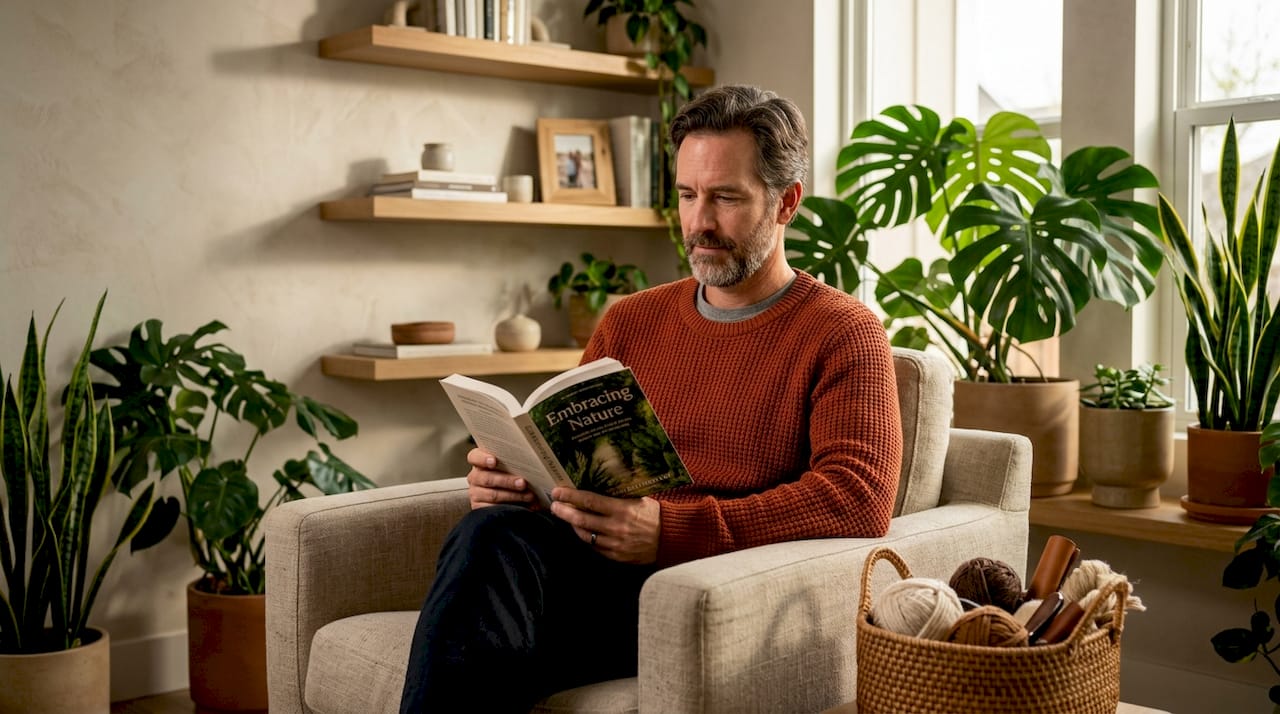
A well-composed plant corner is one of the most accessible and rewarding biophilic design ideas you can try. The key word is layered. Grouping plants at three heights, floor level, mid-level on a stand or shelf, and eye level on a table or ledge, creates a sense of lush density that a single pot never achieves.
For low-maintenance success, lean on pothos, snake plants, and peace lilies. These three tolerate variable light, forgive occasional missed watering, and grow well in indoor humidity. A corner with one tall fiddle-leaf fig, a mid-height pothos trailing off a shelf, and a compact peace lily at floor level reads like a curated indoor garden.
The wellness benefits here are real. Spending time near indoor plants has been connected to reduced stress, lower blood pressure, and sharper mental focus. That is not decorating for aesthetics alone. It is designing for how you actually feel day to day.
Pro Tip: Group plants with similar care requirements together. It makes watering more efficient and reduces the chance of losing plants to neglect.
3. Living moss walls and large statement plants
If you want a dramatic, high-impact biophilic interior element, a living wall or a single oversized botanical statement is worth serious consideration. Professionally installed living walls use modular hydroponic irrigation systems, not just soil pockets, and can house thousands of plants in a vertical format. One project featured an 80m² wall with 4,800 plants and a full hydroponic setup. That scale is commercial, but residential versions are widely available.
For most homeowners, a 4 to 6 square foot modular moss panel or a small hydroponic wall planter achieves the look without a renovation budget. Preserved moss walls (which require zero watering) are a smart middle-ground option. They bring the texture and color of living nature with almost no maintenance. Check out vertical space ideas for wall installation approaches that work in tighter rooms.
Large statement plants like a bird of paradise, a monstera, or a mature olive tree in a ceramic pot can anchor an entire living room on their own. One bold plant at the right scale says more than ten smaller ones scattered across a space.
4. Indoor water features and aquariums
Water is one of the most underused biophilic interior elements in residential design. The sound and movement of water trigger a measurable relaxation response, which is why spas and wellness centers rely on it so heavily. You can bring that same quality home.
A tabletop stone fountain in a living room or bedroom adds both sound and visual movement. Wall-mounted water features work particularly well in entryways because they set a calm, welcoming tone the moment you walk in. Aquariums, even modest 10 to 20 gallon setups, combine the “presence of water” pattern with visual movement and living organisms, making them one of the richest single biophilic additions you can make.
Placement matters. Position water features where you spend still time: reading nooks, meditation corners, or beside a desk. The ambient sound masks urban noise and supports focus without being distracting.
5. Natural light and airflow as biophilic design tools
Light is often the most neglected free resource in home design. Dynamic and diffuse light, meaning light that shifts with the time of day and moves across surfaces, is a recognized biophilic pattern that most homes already have access to but rarely optimize.
Start by removing heavy window treatments that block morning light. Replace them with sheer linen panels that filter and soften sunlight rather than blocking it entirely. Mirrors placed opposite windows double the reach of natural light without any structural changes. If your home has indoor outdoor connections, sliding glass panels or French doors that can stay open in good weather introduce airflow variability, another recognized biophilic pattern.
Thermal and airflow variability, the gentle shift in air temperature and movement you feel near an open window, signals to your nervous system that you are in a living, breathing environment. That small sensory shift has a measurable effect on comfort and mood throughout the day.
6. Nature-inspired colors, textures, and materials
Not every biophilic choice needs to be living or structural. Indirect nature-inspired decor makes up the majority of practical options for renters or anyone working within a budget. The goal is to use color, texture, and material to create a visual and tactile sense of the natural world.
Color palettes that work well go beyond obvious greens. Think warm clay and terracotta, muted stone gray, sandy beige, sky blue, and deep forest tones. These shades work across furniture, walls, textiles, and accessories without looking themed.
For materials, natural wood and stone surfaces are the most direct choices. Rattan chairs, jute rugs, linen throw pillows, and hemp-woven baskets each contribute texture and warmth that synthetic materials cannot replicate. Furniture and accessories with organic, flowing shapes rather than hard corners further reinforce the nature connection in an understated way.
- Colors: terracotta, moss green, warm sand, slate blue, bark brown
- Materials: solid wood, stone tile, rattan, jute, linen, hemp, cork
- Shapes: rounded edges, curved furniture legs, oval mirrors, irregular ceramic forms
Botanical prints, landscape photography, and nature-themed artwork fill out a room’s visual language without requiring a single plant. One large-format botanical print above a sofa can anchor a whole color palette and set the tone for every other choice in the room.
7. Comparing biophilic decor options by effort and impact
Not all biophilic choices fit every lifestyle. Here is a practical comparison to help you decide where to put your energy and budget.
| Decor type | Visual impact | Maintenance | Approx. cost | Best for |
|---|---|---|---|---|
| Indoor plant corner | Medium to high | Low to medium | $50 to $200 | Any room, any budget |
| Living wall (professional) | Very high | Medium (system-managed) | $500+ | Living rooms, feature walls |
| Preserved moss panel | High | None | $100 to $300 | Offices, bedrooms |
| Indoor water fountain | Medium | Low | $40 to $150 | Reading nooks, entryways |
| Natural materials and textiles | Medium | None | Varies | All rooms, renters |
| Botanical art and prints | Medium | None | $30 to $200 | Any room, budget-friendly |
A few patterns emerge from this table. If you want high visual impact with low effort, a preserved moss panel or a large botanical print delivers strong results with zero ongoing care. If you want the most complete biophilic experience and are willing to maintain living elements, a plant corner combined with a small water feature is hard to beat.
For small apartments, lean heavily on indirect elements: natural textiles, organic shapes, and nature-inspired colors do serious work in limited square footage. In larger homes, one or two bold direct elements like a living wall or statement plant anchor the space while indirect choices fill in the rest.
8. Practical tips for sustainable, lasting biophilic decor
Bringing these ideas to life works best when you approach it with intention rather than enthusiasm alone. Thoughtful, sustainable choices last longer and feel more coherent than a rush of purchases.
- Select eco-friendly materials: Look for FSC-certified wood, organic cotton, recycled stone, and naturally dyed textiles. These choices support sustainable home design and align with the wellness values behind biophilic living.
- Avoid overdecorating: Curation over quantity is the single most repeated advice from designers working in this space. Visual noise from too many small plant pots or competing nature motifs defeats the calming effect you are going for.
- Maintain your living elements: Water plants on a consistent schedule, clean water features every two to three weeks, and prune any struggling plants before they turn yellow. A well-kept plant is a design asset. A dying one is a distraction.
- Layer gradually: Start with one or two strong choices, live with them for a few weeks, and then add more. This approach prevents decor fatigue and helps you see what each element contributes to the room’s mood.
Pro Tip: If you are unsure which plant to start with, choose a pothos. It thrives in almost any light condition, grows quickly to fill a space, and communicates visually that a room is alive and cared for.
My honest take on what actually works
I have seen a lot of biophilic-inspired spaces that look beautiful in photos and feel stressful to actually live in. The problem is almost always the same: too many small gestures with no coherent direction.
What I have learned is that three strong nature elements done with intention outperform fifteen random ones every time. A thoughtfully placed large plant, one surface of honest wood grain, and a window left unobstructed to let in morning light will shift a room’s energy more than a full shelf of small terracotta pots, a nature print, a woven basket, a pebble tray, and a fake succulent all competing for attention.
The other thing worth saying: maintenance matters more than people expect. A thriving plant earns its place in a room. A neglected one undermines the whole effect. I would always rather recommend one easy-care plant someone will actually look after than suggest a complicated arrangement they will feel guilty about six weeks later.
Start with what genuinely draws you in, whether that is lush greenery, the sound of water, or the warmth of natural wood. That honest connection to a specific part of nature is where biophilic design stops being a trend and starts being a personal practice.
— Brian Dunn, Couch & Dumbbells
Bring your biophilic vision to life with Couchanddumbells
If this has you ready to make real moves on your space, Couchanddumbells has you covered. The home and interior collection is curated with exactly this kind of intentional living in mind, offering furniture, decor, and accessories that lean into natural materials, organic forms, and eco-conscious design.
Whether you are looking for a statement furniture piece in warm natural tones or eco-friendly home accessories to round out a nature-inspired room, the collection makes it easy to browse with a clear aesthetic in mind. And if your biophilic vision extends beyond your walls, the outdoor furniture set is a natural extension of that indoor-outdoor connection you have been building. Couchanddumbells believes your home should support how you live, not just how your space looks.
FAQ
What are the best examples of biophilic home decor for beginners?
Start with a layered indoor plant corner using low-maintenance plants like pothos or snake plants, add a natural material like a jute rug or linen throw, and swap heavy curtains for sheer panels to maximize natural light.
What is the difference between direct and indirect biophilic elements?
Direct elements involve actual living nature, such as plants, water features, and natural light, while indirect elements use colors, organic shapes, natural textures, and nature-inspired art to evoke nature without any living material.
How do I create a biophilic space on a small budget?
Focus on indirect elements first: nature-inspired color palettes, rattan accessories, botanical prints, and linen textiles deliver strong visual impact without significant cost or maintenance commitment.
Do living walls require professional installation?
Large-scale living walls typically rely on modular hydroponic irrigation systems and are best handled by professionals, but smaller residential versions and preserved moss panels are widely available as DIY-friendly options.
How many plants do I need for a biophilic home?
Quantity matters less than placement and care. A few healthy, well-positioned plants create a stronger nature connection than many neglected ones, so choose what you can realistically maintain.