

Why indoor cycling is a smart choice for city dwellers
Indoor cycling delivers something most urban fitness routines struggle to offer: consistency. You get a reliable, high-quality workout regardless of weather, traffic, or the unpredictability of city streets. The 2026 ACSM Worldwide Fitness Trends report identifies wearable technology and data integration as the top global fitness priorities, and indoor cycling sits at the center of both. Pair that with 2026 SFIA research showing cardio equipment usage rebounding alongside strength training, and the case for cycling indoors has never been stronger.
Here is what makes it work for urban life:
- Time-efficient: Sessions that fit naturally into lunch breaks or evenings without commute overhead.
- Low-impact: The smooth pedaling motion protects your knees and hips from the compressive stress that running creates.
- Pollution-free: You avoid the exhaust and particulate matter that city cyclists inhale during peak hours.
- Tech-ready: Smart bikes and wearables sync with training apps for personalized, data-driven progress.
- Aesthetically flexible: A well-chosen stationary bike can complement your home décor rather than clash with it.
The bottom line: Indoor cycling gives urban dwellers a controlled, customizable, and consistent path to cardiovascular health, mental clarity, and physical balance without leaving home.
Table of Contents
- How indoor cycling fits into a packed urban schedule
- Physical health advantages that make indoor cycling worth your time
- How wearable technology takes your indoor cycling further
- Balancing cardio and strength for a complete urban wellness routine
- Designing a home cycling space that you actually want to use
- Why indoor cycling protects you from urban air pollution
- Mental health benefits that are specific to city living
- Virtual cycling classes build real community
- Safety advantages that outdoor cycling in cities cannot match
- Space-saving cycling equipment for small urban apartments
- Couchanddumbells makes it easy to build a space you love working out in
- FAQ
- Key Takeaways
How indoor cycling fits into a packed urban schedule
Time is the resource most city professionals guard most carefully. Indoor cycling respects that. A focused 45-minute ride before work or during a lunch break delivers meaningful cardiovascular conditioning without the logistics of traveling to a gym or waiting for weather to cooperate.
- No commute to a studio means zero wasted time.
- Interval training on a stationary bike produces efficient calorie burn in short windows.
- You can ride at 6 AM or 11 PM without safety concerns.
- Apps like Zwift and Peloton Digital offer structured programs that remove the guesswork from session planning.
- Pairing cycling days with bodyweight strength work at home creates a complete urban workout routine without extra equipment.
For those juggling demanding careers alongside fitness goals, evening workout routines structured around indoor cycling can be especially effective at maintaining consistency without disrupting work-life balance.
Physical health advantages that make indoor cycling worth your time
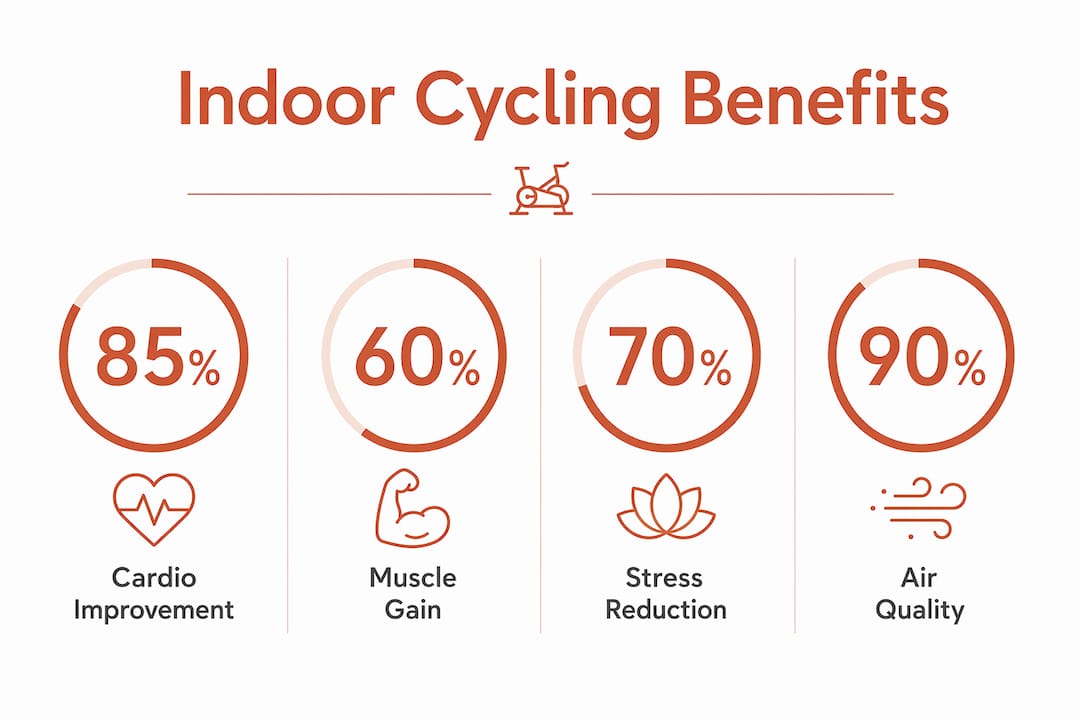
A systematic review published in MDPI found that indoor cycling can improve aerobic capacity, blood pressure, lipid profile, and body composition. Those are not minor gains. For urban dwellers who spend long hours seated, these benefits address the exact health risks that sedentary city life creates.
- Joint protection: Low-impact pedaling reduces compressive stress on knees and hips compared to running or high-impact classes.
- Cardiovascular endurance: Regular sessions strengthen your heart and improve lung efficiency over weeks.
- Lower body strength: Consistent pedaling builds quads, hamstrings, and glutes evenly.
- Weight management: Steady calorie burn during rides supports healthy body composition, especially when combined with mindful eating.
- Mood lift: Endorphin release during moderate-to-intense rides reduces tension and sharpens mental focus.
Dr. Jeffrey Fleming, a sports medicine physician at the University of Pittsburgh Medical Center, notes that cycling is “a nice mix” of cardiovascular and resistance training, making it one of the more complete single-activity workouts available.
How wearable technology takes your indoor cycling further
The ACSM’s 2026 report places wearable technology at the top of global fitness trends, and indoor cycling is uniquely positioned to benefit from that shift. A smartwatch or heart rate strap worn during a ride gives you real-time data on effort, recovery, and progress that guesswork simply cannot replicate.
- Heart rate monitors help you stay in the right training zone for fat burn or cardiovascular conditioning.
- Power meters built into smart bikes provide precise output data, though they require periodic calibration for accuracy.
- Syncing ride data with apps like Garmin Connect or Apple Health builds a long-term picture of your fitness trajectory.
- Virtual communities within platforms like Zwift add accountability and social motivation.
- Tracking recovery metrics alongside performance data helps you avoid overtraining, a common issue for driven urban professionals.
A fitness smartwatch paired with a smart bike turns every session into a measurable, motivating experience rather than a routine you have to push yourself through.
Balancing cardio and strength for a complete urban wellness routine
The 2026 SFIA research confirms what many fitness professionals have long advocated: cardio and strength training work best together. Indoor cycling covers the cardiovascular side with low injury risk, freeing you to add targeted strength work without worrying about cumulative joint stress from your cardio sessions.
- Alternate cycling days with resistance band or dumbbell sessions for muscular balance.
- Indoor cycling’s low impact means your joints recover faster, allowing more frequent training overall.
- Mobility work on rest days, such as yoga or foam rolling, extends the longevity of your routine.
- For small urban apartments, home cardio equipment alternatives can complement your bike without consuming floor space.
- A balanced schedule, three cycling sessions and two strength sessions per week, supports both cardiovascular health and functional muscle maintenance.
Designing a home cycling space that you actually want to use
The environment where you work out matters more than most people acknowledge. A cluttered, uninspiring corner discourages consistency. A thoughtfully arranged space with good lighting, clean lines, and a bike that looks intentional rather than intrusive does the opposite.
- Choose a stationary bike with a neutral or minimalist aesthetic that blends with your existing furniture.
- Lay protective rubber flooring beneath the bike to prevent floor damage and reduce vibration.
- Position the bike near natural light or a window for a sense of openness.
- A small fan, a curated playlist, and a water bottle within reach reduce friction before every session.
- Integrating your bike into a styled space, rather than hiding it, reinforces the habit. Guidance on blending fitness equipment with home décor can help you get that balance right.
Pro Tip: Apply minimalist design principles: limit the space to three visual elements (bike, mat, one piece of wall art) and use earthy neutrals to keep the area calm and inviting rather than gym-like.
Why indoor cycling protects you from urban air pollution
Outdoor cycling in a city during rush hour means breathing exhaust, particulate matter, and ozone at elevated exertion levels, exactly when your lungs are working hardest. Indoor cycling removes that exposure entirely. Your home or apartment, especially with a HEPA air purifier running nearby, offers measurably cleaner air than a bike lane on a congested street.
Urban fitness experts highlight that indoor cycling creates a pollution-free environment that counters the environmental stressors common in city life. For anyone with respiratory sensitivities or who lives near high-traffic corridors, this is not a minor perk. It is a genuine health consideration that outdoor cycling simply cannot address.
Mental health benefits that are specific to city living
Urban life generates a particular kind of stress: noise, crowds, unpredictability, and the constant low-level stimulation of a city environment. Indoor cycling offers a structured, controlled counterpoint to all of that. Closing the door, clipping in, and riding to a focused playlist or guided class creates a mental boundary between the chaos outside and the calm you are building inside.
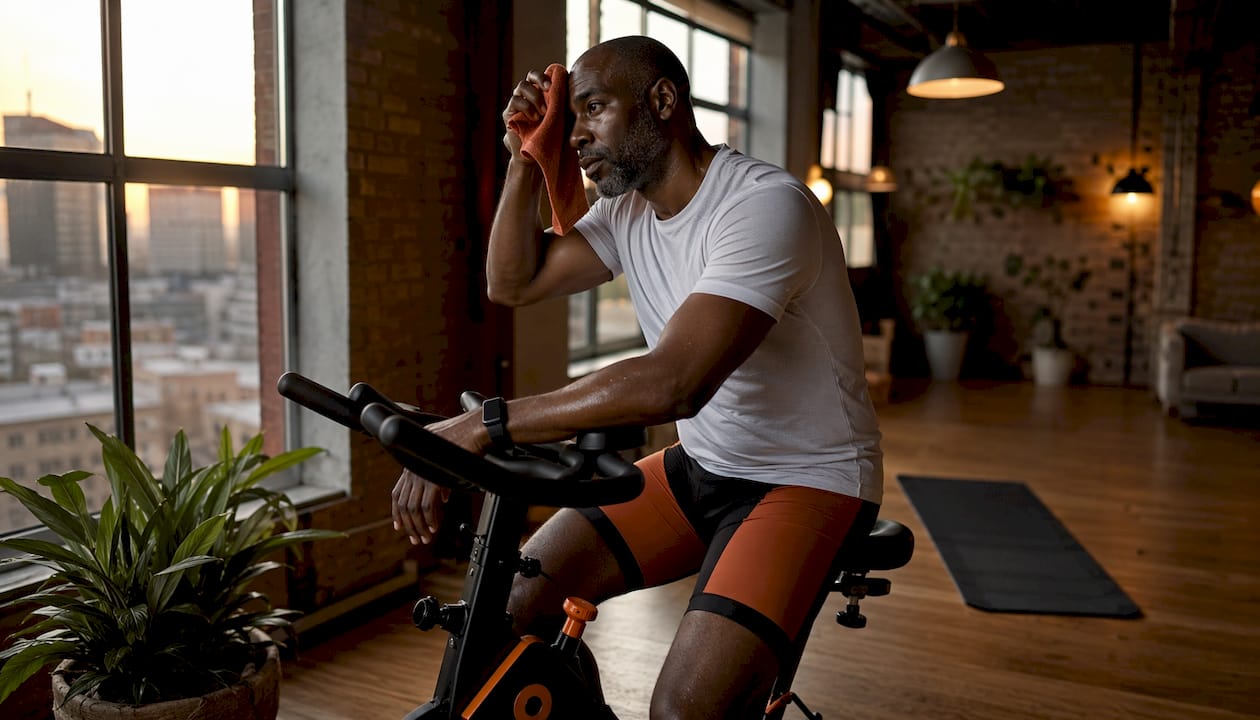
Research supports the mood-lifting effect of cycling, and the controlled setting of an indoor ride amplifies it. You are not navigating traffic or reacting to your environment. You are present, focused, and in charge of every variable. Over time, that sense of agency during workouts carries over into how you handle stress outside of them.
Virtual cycling classes build real community
One of the genuine surprises of indoor cycling’s growth is how social it has become. Platforms like Peloton, Zwift, and Apple Fitness+ connect riders across cities and time zones, creating communities built around shared effort and mutual encouragement. Live leaderboards, group challenges, and instructor shoutouts replicate the energy of a studio class without requiring you to leave your apartment.
For urban dwellers who work remotely or live alone, this social layer matters. A virtual cycling class at 7 AM with riders from across the country provides accountability and connection that a solo run simply does not. The community aspect also drives consistency, one of the hardest things to maintain in any fitness routine.
Safety advantages that outdoor cycling in cities cannot match
City cycling carries real risks: traffic, unpredictable road surfaces, distracted drivers, and low-visibility conditions at night. A stationary bike eliminates every one of them. As sports medicine expert Barucci notes, indoor riders “don’t have to worry about weather conditions, road conditions, motor vehicles, pedestrians or other cyclists.” That is a significant reduction in risk, particularly for those returning from injury or managing balance concerns.
Indoor cycling is also available at any hour. A midnight ride after a late shift carries no safety trade-offs. For urban professionals whose schedules do not align with daylight hours, that flexibility is genuinely valuable.
Space-saving cycling equipment for small urban apartments
A full-size spin bike is not the only option. Compact upright bikes, foldable stationary bikes, and under-desk pedal units have all improved significantly in quality and aesthetics. The key is matching the equipment to your actual floor space and storage constraints before buying.
Effective small-space setups prioritize ergonomic positioning and protective flooring alongside a neutral visual footprint. A foldable bike stored vertically in a closet between sessions works well for studios and one-bedroom apartments. For a curated list of options sized for city living, the apartment home gym guide from Couchanddumbells covers equipment that fits without overwhelming your space.
Couchanddumbells makes it easy to build a space you love working out in
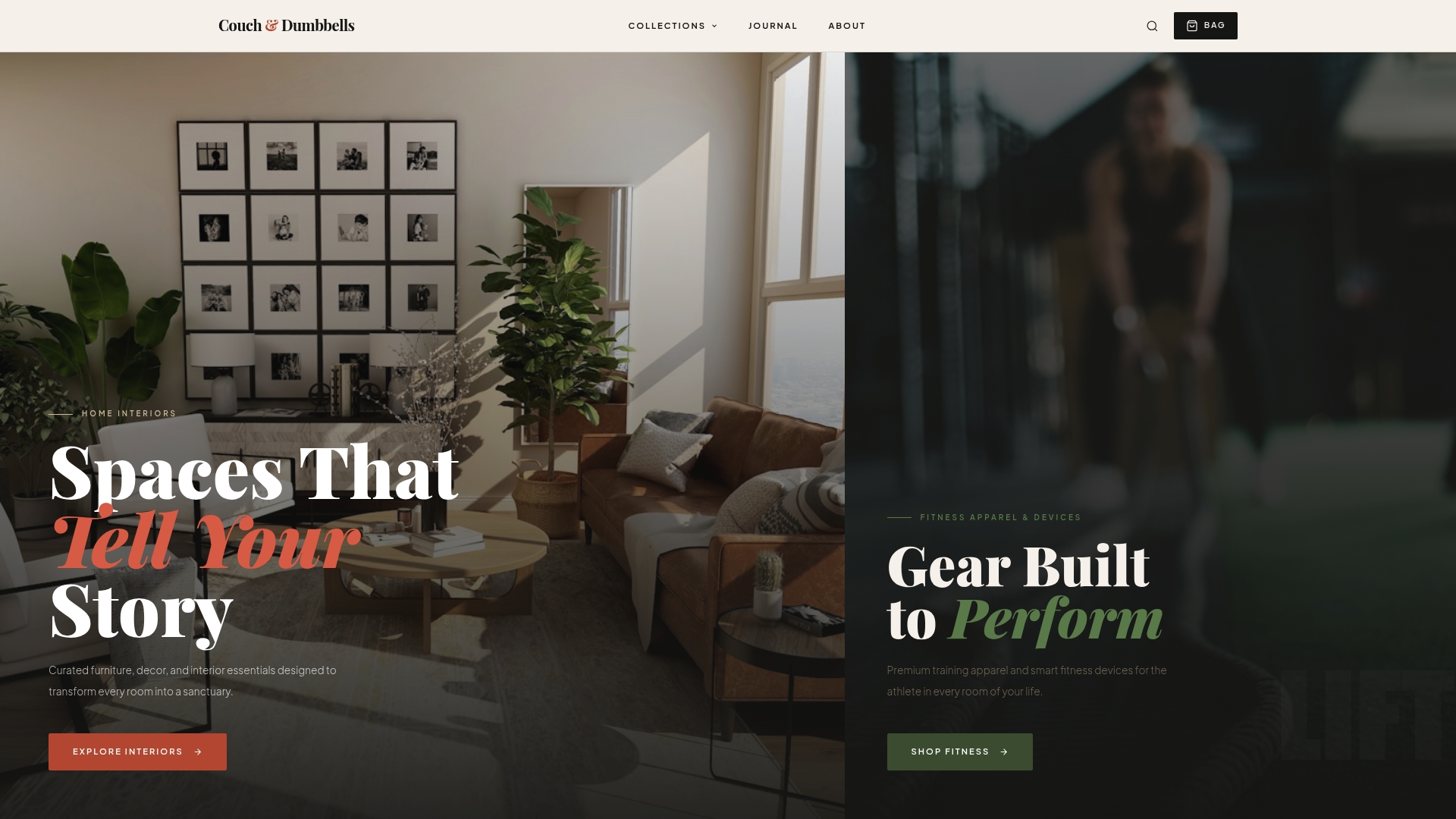
Couchanddumbells brings together the two things that make an indoor cycling habit stick: a space that feels good to be in and gear that performs. The fitness and gear collection includes performance apparel and smart accessories designed for the kind of focused, intentional workouts this article describes. The home and interior collection offers curated furniture and décor that help you design a cycling space that looks as good as it functions. You do not have to choose between a beautiful home and an effective workout space. Browse both collections and start building the setup that fits your life.
FAQ
How long should an indoor cycling session be for urban fitness?
Sessions of moderate length fit naturally into lunch breaks or evenings without requiring extra commute time.
Does indoor cycling build muscle as well as cardio fitness?
Yes. Indoor cycling strengthens the quads, hamstrings, and glutes through consistent pedaling resistance, while also delivering meaningful cardiovascular conditioning in the same session.
Is indoor cycling better than outdoor cycling for city dwellers?
For consistency, safety, and air quality, indoor cycling has clear advantages in urban settings. It removes traffic risks, pollution exposure, and weather unpredictability that outdoor city cycling cannot avoid.
What technology should I use with an indoor bike?
A heart rate monitor or fitness smartwatch paired with a training app gives you real-time feedback on effort and recovery. Power meters on smart bikes add precision, though they need periodic calibration.
How do I fit a stationary bike in a small apartment?
Foldable or compact upright bikes with neutral aesthetics work well in small spaces. Pair the bike with protective rubber flooring and position it near natural light to keep the space functional and visually calm.
Key Takeaways
Indoor cycling is the most consistent, low-risk, and tech-compatible cardio option available to urban dwellers in 2026, combining joint-friendly conditioning with measurable progress and a pollution-free environment.
| Point | Details |
|---|---|
| Time efficiency | Sessions that fit naturally into lunch breaks or evenings without commute overhead. |
| Low-impact health gains | Smooth pedaling protects joints while improving aerobic capacity, blood pressure, and body composition. |
| Wearable tech integration | Heart rate monitors and power meters, per the 2026 ACSM report, provide data that drives consistency and recovery. |
| Cardio-strength balance | Pairing cycling with strength work, supported by 2026 SFIA findings, builds functional longevity and mobility. |
| Couchanddumbells | Offers curated fitness gear and home décor to help you build a cycling space that performs and looks intentional. |