

Investment-grade furniture is defined by superior materials, ergonomic design, and timeless style rather than brand name or price alone. To invest quality home furnishings wisely means choosing pieces built to last decades, not just seasons. The right sofa, dining table, and bed form the foundation of a home that feels as good as it looks. Prioritizing craftsmanship and material quality over trends protects your budget and your comfort for the long term. This guide gives you the specific knowledge to make those choices with confidence.
Which furniture pieces are the best investments?
The Big Three anchor pieces are the sofa, the dining table, and the primary bed. These items deliver the highest cost-per-use value because you interact with them every single day. When built with solid materials, they can last 20–30 years. That lifespan makes a $2,500 sofa far cheaper per use than a $600 replacement every four years.
Daily use is the key reason these three pieces justify a higher upfront cost. Your sofa supports your posture during rest and social time. Your dining table anchors meals, work sessions, and family gatherings. Your bed directly affects your sleep quality and physical recovery. Skimping on any of these affects your wellbeing, not just your decor.
What materials make furniture last?
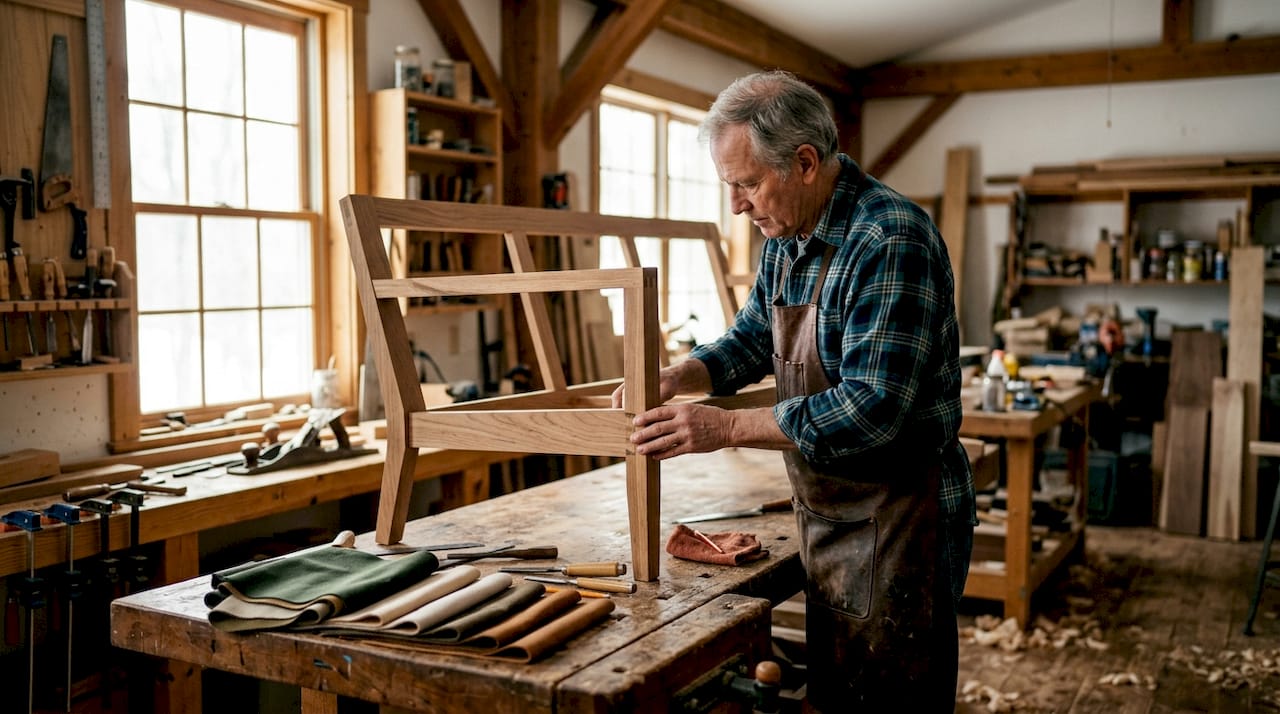
Material choice separates a 5-year piece from a 30-year piece. Here are the materials worth prioritizing:
- Kiln-dried hardwood frames. Kiln-dried hardwood prevents warping caused by seasonal humidity changes. This process removes moisture from the wood before construction, making it far more stable than green or air-dried lumber.
- Solid wood over engineered alternatives. MDF and particleboard are cost-cutting materials. They chip, swell with moisture, and cannot be refinished. Solid oak, maple, walnut, and cherry all hold up to decades of use.
- Eight-way hand-tied springs. This spring construction method, used in premium sofas, distributes weight evenly and resists sagging far longer than sinuous spring systems.
- High-density foam cushions. Foam density of at least 1.8 pounds per cubic foot keeps cushions from bottoming out. Premium pieces use 2.0–2.5 lbs per cubic foot for even longer comfort life.
The combination of a kiln-dried hardwood frame, eight-way hand-tied springs, and high-density foam in a single sofa represents true investment-grade construction. Each element reinforces the others.
How do you recognize quality craftsmanship in furniture?
Quality craftsmanship shows up in the details most buyers never check. Knowing what to look for puts you in control of every purchase decision.
Joinery and frame construction
The joints holding a piece together tell you everything about its longevity. Dovetail joints in drawers and mortise-and-tenon connections in tables and chairs resist failure under heavy use. Glue and staples are shortcuts that fail within years. When you shop in person, open drawers and look at the corners. A dovetail joint has interlocking wedge-shaped cuts. If you see a flat butt joint held with a staple, walk away.
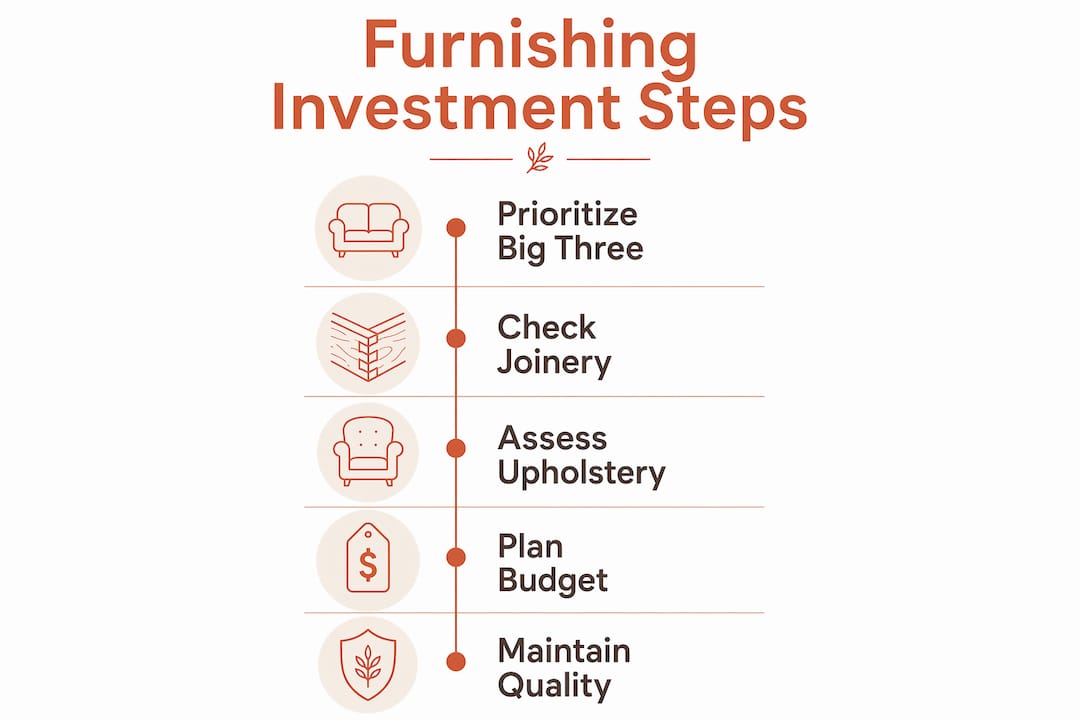
Corner blocks are another hidden quality signal. These small triangular wood pieces are glued and screwed into the interior corners of a frame. They add rigidity and prevent the frame from racking under weight. You can often feel for them by pressing gently on the inside corners of a sofa frame.
Upholstery standards
Fabric durability is measured in double rubs, a test that simulates back-and-forth friction. Quality upholstery fabrics should carry a rating of at least 30,000 double rubs. Fabrics rated below 15,000 double rubs are suited for decorative use only, not daily seating. Sofas priced between $1,500 and $3,500 tend to last 15 or more years when built to this standard. Options under $1,000 typically sag or delaminate within 3–7 years.
Pro Tip: Look for removable, washable cushion covers. This single feature extends the visual life of a sofa by years and makes maintenance far easier, especially in homes with kids or pets.
Avoid pieces with glued-on trim, plastic hardware, or stapled dust covers on the underside. These are signs of cost-cutting that affect the whole piece, not just the visible surface.
How should you budget and plan your furniture investment?
A clear budget framework prevents both overspending and the false economy of buying cheap twice. The goal is to allocate the most money where you get the most daily use.
A practical budget allocation approach
- Prioritize the Big Three first. Spend the largest share of your furniture budget on the sofa, dining table, and primary bed before buying anything else. These pieces set the tone for every other decision.
- Set realistic price targets. For a sofa, the $1,500–$3,500 range delivers genuine durability. A solid wood dining table in the $800–$2,000 range will outlast three generations of budget alternatives. A quality bed frame in solid hardwood starts around $700–$1,200.
- Fill in with budget-friendly accents. Interior designer Nina Lichtenstein advocates mixing high-investment pieces with well-chosen budget items for an elevated but livable home. Side tables, decorative pillows, lamps, and rugs are low-risk places to save money.
- Plan your space before you buy. Measure room dimensions and map out delivery pathways before placing any order. A perfect sofa that cannot fit through your hallway is a costly mistake. Measure doorways, stairwells, and elevator dimensions if applicable.
- Account for delivery and setup costs. White-glove delivery and assembly services add $100–$300 to most large furniture orders. Build this into your budget from the start.
Pro Tip: Sketch your room layout to scale on graph paper before shopping. Place furniture cutouts in the sketch to test proportions. This takes 20 minutes and prevents weeks of returns.
The foundation of smart home design balances well-chosen luxury pieces with budget-friendly accents. You do not need to spend on everything at once. Buy the Big Three first, live with them, and add accent pieces gradually as your taste and budget allow. For homes where fitness and living space overlap, multifunctional furniture can stretch your budget further by serving double duty.
How do you maintain and extend the life of quality furnishings?
Maintenance is not optional. It is the second half of your investment strategy. A well-maintained piece from 20 years ago often outperforms a neglected new one.
Routine care by material
- Solid wood. Wipe spills immediately with a dry cloth. Apply a quality furniture wax or oil twice a year to prevent drying and cracking. Keep wood pieces away from heating vents and direct sunlight, which cause uneven drying and warping.
- Upholstered pieces. Vacuum cushions weekly to remove dust and debris that break down fabric fibers. Rotate and flip cushions monthly to distribute wear evenly. Treat stains within minutes using a clean cloth and appropriate fabric cleaner.
- Metal hardware and legs. Tighten screws and bolts every six months. Loose hardware accelerates frame stress and shortens lifespan significantly.
When to reupholster rather than replace
Decorator Elizabeth Lawrence emphasizes buying pieces with “strong bones” that can be refreshed over time. Reupholstering a quality sofa costs $800–$1,500 but extends its life by another 15–20 years. Replacing a low-quality sofa every 5 years costs far more over the same period. If the frame is solid and the springs still perform, reupholstering is the better financial and environmental choice.
Pro Tip: Before reupholstering, press down firmly on the seat and listen for creaking or feel for instability. A quiet, stable frame is worth refreshing. A noisy, shifting frame signals structural failure that new fabric will not fix.
Pets and children accelerate wear, but the right materials handle it well. Performance fabrics rated above 50,000 double rubs, such as solution-dyed acrylic or tightly woven polyester blends, resist scratching, staining, and fading far better than natural linen or silk. Choosing the right fabric upfront reduces maintenance demands significantly. For homes that double as fitness spaces, keeping furniture protected and functional is especially important. Couchanddumbells covers this balance well in its guide on blending fitness equipment with home decor.
Key Takeaways
Investing in quality home furnishings means starting with the Big Three anchor pieces built from kiln-dried hardwood, high-density foam, and durable upholstery fabrics rated above 30,000 double rubs.
| Point | Details |
|---|---|
| Prioritize the Big Three | Spend the most on your sofa, dining table, and primary bed for the highest cost-per-use value. |
| Check construction details | Look for dovetail joints, mortise-and-tenon connections, and corner blocks as signs of lasting quality. |
| Match budget to use frequency | Invest heavily in daily-use pieces and save on decorative accents that carry less structural load. |
| Plan space before purchasing | Measure rooms and delivery paths before ordering to avoid costly logistical mistakes. |
| Maintain to protect value | Routine cleaning, cushion rotation, and timely reupholstering extend furniture life by decades. |
What I have learned from building a quality home over time
Belle’s perspective
The advice I give most often is also the hardest for people to follow: slow down and buy less, but buy better. Most homeowners fill their space quickly and regret it within three years. The sofa sags. The dining table wobbles. The bed frame creaks. Then they spend again.
What changed my own approach was understanding that quality furniture is not about status. It is about daily comfort and the quiet satisfaction of a home that holds together. I stopped chasing trends after realizing that a well-made walnut dining table from 1998 still looks better than most of what fills showroom floors today. Timeless design paired with honest materials ages gracefully. Trend-driven pieces just age.
The hardest lesson was accepting that you cannot buy a complete, well-furnished home in one weekend. The best spaces I have seen were built over years, starting with one or two exceptional anchor pieces and growing from there. That patience is not a compromise. It is the actual strategy. Start with the sofa or the bed. Get it right. Then build around it with intention and without rushing.
— Brian Dunn, Couch & Dumbbells
Quality home furnishings at Couchanddumbells
Couchanddumbells curates a selection of quality home furnishings built around the same principles covered here: durable materials, intentional design, and pieces that serve your daily life well.
Whether you are furnishing a living room, a dining space, or an outdoor area, the collections at Couchanddumbells include options across a range of budgets without sacrificing the construction standards that make furniture worth owning. For outdoor spaces, the patio furniture sets bring the same durability focus to your exterior living areas. Shop with the confidence that comes from knowing exactly what to look for.
FAQ
What is investment-grade furniture?
Investment-grade furniture is defined by superior materials, ergonomic design, and timeless style rather than brand or price alone. Key markers include kiln-dried hardwood frames, dovetail joinery, and upholstery rated above 30,000 double rubs.
How long should a quality sofa last?
A sofa built with solid hardwood frames and high-density foam cushions typically lasts 15–30 years. Sofas priced between $1,500 and $3,500 consistently meet this standard, while options under $1,000 often fail within 3–7 years.
What is the best way to check furniture quality in a store?
Open drawers to check for dovetail joints, press on seat corners to feel for corner blocks, and look at the underside for a stapled or tacked dust cover. A stapled dust cover signals cost-cutting throughout the piece.
Is it worth reupholstering an old sofa?
Reupholstering is worth it when the frame is solid and the springs still perform. A quality reupholstery job extends sofa life by 15–20 years and costs significantly less than repeated replacement of lower-quality pieces.
How do I mix affordable and high-quality pieces effectively?
Spend the most on the Big Three anchor pieces (sofa, dining table, primary bed) and use budget-friendly options for accents like side tables, lamps, and decorative items. This approach delivers both durability and style without overspending across every category.