

Area rugs are defined as textile floor coverings that anchor furniture groups, define spatial zones, and deliver measurable acoustic and thermal benefits within a room. The role of area rugs in design extends far beyond decoration. A well-chosen rug sets the color palette, organizes open-plan living spaces, and reduces echo in rooms with hard floors. Interior designers treat rugs as foundational elements, selecting them before upholstery or paint to unify every other decision that follows. This guide covers sizing rules, material choices, acoustic science, and placement principles so you can use rugs with the same confidence a professional would.
How area rugs define and zone spaces in open-concept homes
Designers use rugs as architectural tools to create conversation zones, dining areas, and reading corners within open-concept spaces, all without a single wall. A rug placed beneath a sofa and two chairs signals “this is the living area.” A separate rug under a dining table signals “this is where we eat.” The visual boundary is soft and inviting, but the spatial message is clear.
This zoning technique works because rugs create what designers call “rooms within rooms.” Each zone gets its own visual anchor, which makes large open floors feel organized rather than empty. The contrast between a patterned living room rug and a solid jute dining rug, for example, heightens the sense of separation without any physical divider.
Sizing is the most critical factor in making zoning work. A rug that is too small leaves furniture floating at the edges and weakens the zone’s definition. The goal is to have all primary seating legs resting on the rug, which pulls the group together into a coherent unit.
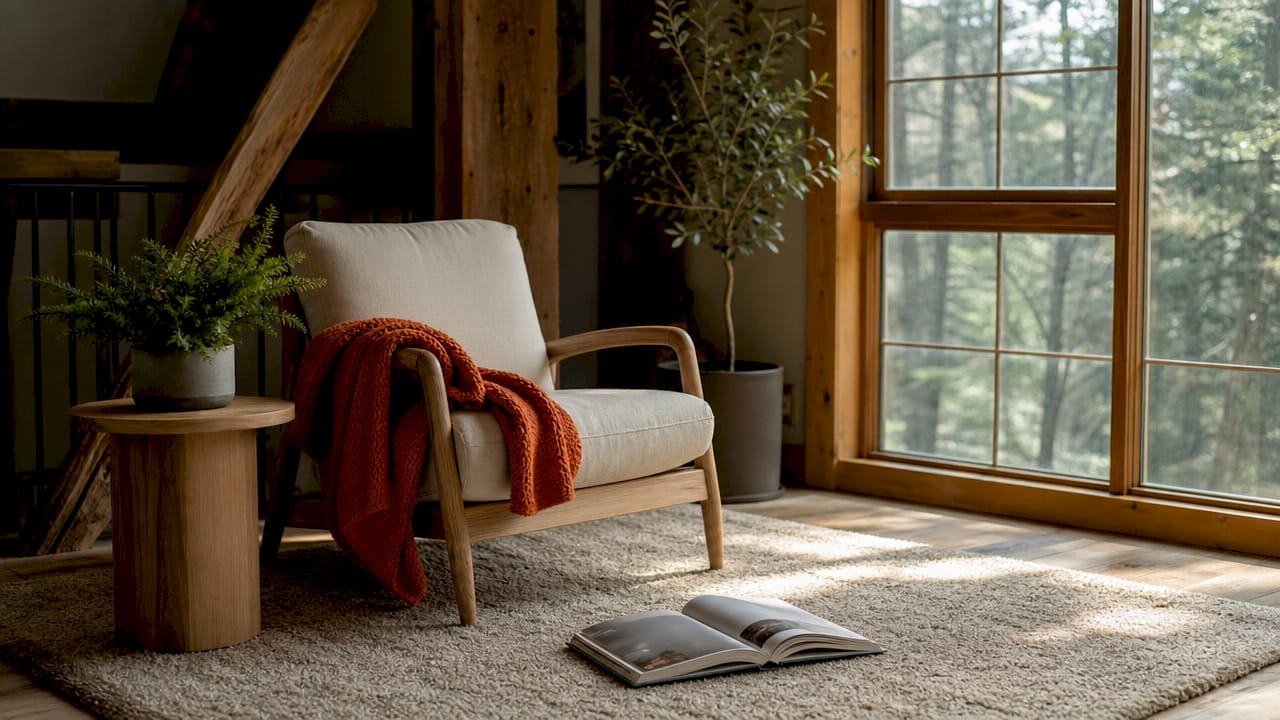
Texture variation between zones adds another layer of differentiation. A high-pile wool rug in the lounge area feels distinctly different underfoot from a flat-weave sisal rug in the entryway. That tactile shift reinforces the visual boundary and makes each zone feel intentional.
Key principles for zoning with rugs:
- Place one rug per functional zone, not one rug for the entire open floor.
- Choose rugs with contrasting textures or patterns to heighten zone separation.
- Keep rug edges at least 18 inches from the nearest wall to avoid a cramped look.
- Use a consistent color family across all zone rugs to maintain visual cohesion throughout the space.
Pro Tip: Before committing to a rug layout, outline each proposed zone with painter’s tape on the floor. Walk through the space and assess whether the boundaries feel natural. This takes five minutes and prevents expensive mistakes.
What rug size and placement rules actually mean for your room
Rug sizing follows a clear rule: select a rug about 8–10 inches smaller than the room dimensions on each side, covering at least 50% of the floor area. That guideline exists because a rug that covers less than half the floor reads as a small accent piece rather than a design anchor. The room loses its sense of groundedness.
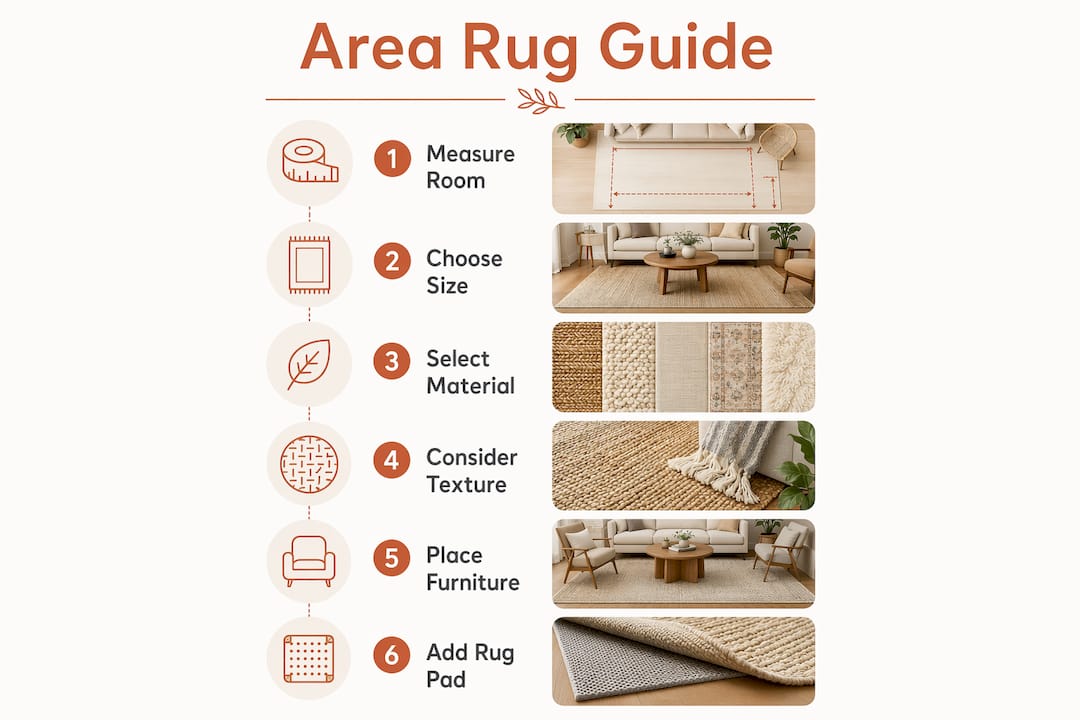
The most practical sizing test is the tape method. Experienced designers confirm rug size on-site with tape measures before purchasing, outlining the proposed rug dimensions directly on the floor. You can do the same at home with painter’s tape. If the taped outline looks right from every angle in the room, the rug size is correct.
Follow these placement steps for a living room:
- Measure the full room and subtract 8–10 inches from each side to find your maximum rug size.
- Tape the proposed rug outline on the floor and arrange your furniture within it.
- Confirm that all front legs of the sofa and chairs rest inside the taped boundary.
- Check that the rug does not run closer than 18 inches to any wall.
- Adjust the tape until the proportions feel balanced, then order accordingly.
Different room shapes call for different rug formats. A rectangular rug suits most living and dining rooms. A round rug works well under a circular dining table or in a square bedroom. A runner fits hallways and galley kitchens. Matching rug shape to room geometry makes the space feel considered rather than accidental.
Pro Tip: In a bedroom, size the rug so it extends at least 18–24 inches beyond each side of the bed. That way, your feet land on soft material every morning, which is a small comfort that makes a real difference to how the room feels.
Materials, pile height, and texture: balancing comfort and style with durability
Material choice determines how a rug performs over years of daily use. High-quality hand-knotted wool rugs last 50–100 years with proper care, making them one of the most cost-effective flooring investments available. Wool is naturally stain-resistant, resilient underfoot, and easy to clean, which is why it remains the material of choice for high-traffic living rooms and family spaces.
Natural fibers like jute and sisal offer a different set of strengths. They bring rich texture and an organic visual quality that suits coastal, Scandinavian, and earthy interiors. Their durability is solid, but they offer less cushioning than wool and can be harder to clean when wet. They work best in low-moisture areas like living rooms and bedrooms rather than kitchens or bathrooms.
| Material | Durability | Comfort | Maintenance | Best for |
|---|---|---|---|---|
| Wool | Very high | High | Low effort | High-traffic rooms, families with pets |
| Jute | High | Medium | Moderate | Dry living areas, textured accents |
| Sisal | High | Low | Moderate | Entryways, low-moisture zones |
| High-pile synthetic | Medium | Very high | Higher effort | Bedrooms, low-traffic lounges |
| Flat-weave cotton | Medium | Low | Easy | Casual spaces, layering base |
Pile height shapes both the feel and the visual weight of a rug. High-pile rugs add softness and absorb sound effectively, but they require more frequent vacuuming and can mat down in heavy-traffic areas. Low-pile and flat-weave rugs are easier to maintain and suit spaces where furniture is moved often. Natural fibers like wool outperform synthetics in durability and stain resistance for homes with pets and children, which is a finding that surprises many homeowners who assume synthetic is the practical choice.
Selecting material based on your actual lifestyle, not just aesthetics, produces the best long-term results. A beautiful high-pile rug in a mudroom will disappoint. A flat-weave jute rug in a bedroom will feel cold underfoot. Match the material to the room’s traffic level, moisture exposure, and the comfort you want to deliver.
How area rugs improve acoustic comfort and thermal warmth
Replacing bare hard floors with medium to high-pile wool rugs reduces reverberation time by 20–30%, which means voices, music, and footsteps sound cleaner and less echoey. That improvement is most noticeable in rooms with tall ceilings, large windows, and minimal soft furnishings. The recommended coverage for meaningful acoustic benefit is at least 50–70% of the floor area.
Rugs soften hard floors to reduce echo and footstep noise, with effectiveness depending on rug thickness, construction, and pad type. A dense wool rug paired with a quality felt or rubber pad delivers the best acoustic result. A thin flat-weave rug on bare floor offers minimal sound absorption. The pad matters as much as the rug itself.
Thermal comfort follows a similar logic. Area rugs create thermal comfort by trapping air pockets between fibers, backing, and rug pads, providing a measurable thermal break against cold floors. This is especially valuable in homes with concrete subfloors, tile, or hardwood over an unheated crawl space. The rug does not replace proper home insulation, but it does make a cold floor feel significantly warmer underfoot.
Pro Tip: Always use a rug pad. It extends the rug’s life, prevents slipping, adds cushioning, and increases both acoustic and thermal performance. A quality pad costs a fraction of the rug and doubles its functional value.
A realistic expectation: rugs improve comfort and reduce noise within a room, but they do not substitute for wall insulation or HVAC systems. Think of them as a meaningful upgrade to your room’s sensory environment, not a structural solution. For homeowners who want to blend comfort with design in every corner of the home, rugs are one of the most accessible tools available.
Key Takeaways
Area rugs are foundational design tools that anchor spaces, improve acoustics, add warmth, and unify color schemes when sized and placed correctly.
| Point | Details |
|---|---|
| Zoning without walls | Use one rug per functional zone in open-plan spaces to create clear, soft boundaries. |
| Size up, not down | All primary furniture legs should rest on the rug; cover at least 50% of the floor area. |
| Wool outperforms synthetics | Hand-knotted wool rugs last 50–100 years and resist stains better than synthetic alternatives. |
| Acoustic and thermal gains | Medium to high-pile rugs with quality pads reduce reverberation by 20–30% and add measurable floor warmth. |
| Start with the rug | Choose your rug before upholstery or wall color to build a coherent, unified palette. |
What I’ve learned from starting every room with the rug
Most homeowners pick the sofa first, then the paint, then the rug. That order makes decorating harder than it needs to be. Rugs are foundational elements that set the tone and color palette for an entire interior. When you start with the rug, every other decision becomes easier because you already have a color story to work from.
The single most common error I see is choosing a rug that is too small. The most common mistake is choosing rugs too small, which causes furniture to appear to float and diminishes room cohesion. A rug that fits properly makes a room look designed. A rug that is too small makes even expensive furniture look like it was placed randomly.
Layering rugs is a technique that most homeowners overlook. Placing a smaller patterned rug over a larger neutral base rug adds depth and texture without visual competition. It works especially well in large living rooms or open-plan spaces where a single rug cannot cover the full zone effectively. Layering rugs with contrasting textures creates a tactile richness that enriches the space without cluttering it visually.
The broader point is this: rugs are not decoration placed after the real design decisions are made. They are architectural tools that shape how a room feels, sounds, and functions. Treat them that way from the start, and the rest of your interior will fall into place more naturally.
— Brian Dunn, Couch & Dumbbells
Quality rugs and home decor, curated at Couchanddumbells
Finding a rug that checks every box, the right size, the right material, and the right visual weight, takes time. Couchanddumbells makes that process easier with a curated selection of home and interior pieces chosen for both quality and style.

Whether you are furnishing an open-plan living area, warming up a bedroom, or adding acoustic comfort to a home office, the collection covers a range of styles and materials suited to real homes. Every piece is selected with the same intention this guide promotes: beautiful spaces that also function well. Browse the full home and interior catalog at Couchanddumbells and find the rug that grounds your next room.
FAQ
What is the role of area rugs in interior design?
Area rugs anchor furniture groups, define spatial zones in open-plan spaces, and add acoustic and thermal comfort to rooms with hard floors. Designers treat them as foundational elements that set the color palette for an entire interior.
How do I know what size rug to buy?
Select a rug that covers at least 50% of the floor area, with all primary furniture legs resting on it. A practical test is to tape the proposed dimensions on the floor before purchasing to confirm the proportions look right.
Are wool rugs worth the higher price?
Yes. Hand-knotted wool rugs last 50–100 years with proper care and resist stains naturally, making them more cost-effective over time than synthetic alternatives that wear out faster.
Do area rugs actually reduce noise?
Medium to high-pile rugs reduce reverberation time by 20–30% in rooms with hard floors, with coverage of at least 50–70% of the floor area needed for meaningful acoustic improvement. A quality rug pad increases this effect.
Should I choose the rug before or after the furniture?
Choose the rug first. Choosing the rug before upholstery or wall color makes furniture selection easier and produces a more coherent color palette throughout the room.