

Social media is now the primary source of home design inspiration for millions of American homeowners, reshaping how people discover, plan, and execute interior projects. Platforms like Instagram, TikTok, and Pinterest have made the role of social media home inspiration impossible to ignore. 65% of 18–24-year-olds use Instagram for home ideas, and 53% of the same age group turn to TikTok for decor concepts. That reach means social platforms now sit at the very beginning of most design decisions, long before a homeowner visits a showroom or calls a contractor.
How does social media accelerate home design projects?
Social media does more than spark ideas. It directly speeds up the timeline from inspiration to action. One in three homeowners reported spending increases of 25% or more on home projects because of social content. The same research found that homeowners initiate or accelerate an average of two projects per year after engaging with design content online. That is a measurable shift in how people prioritize and fund their living spaces.
The impact is especially strong among Millennials and Gen Z. These groups scroll through curated feeds and short-form videos daily, absorbing ideas for everything from kitchen backsplashes to outdoor seating arrangements. A single viral reel can push a homeowner to add a feature they never considered, such as a statement lighting fixture or a built-in bookshelf. Social media also functions as a troubleshooting resource during active projects, helping people solve problems in real time.
Here is what social media most commonly drives homeowners to do:
- Start projects sooner than originally planned, often within weeks of seeing a post
- Upgrade material choices, moving from budget options to premium finishes after seeing the visual difference online
- Add unplanned features like accent walls, indoor plants, or decorative storage
- Increase overall project budgets to match the aesthetic quality seen on screen
The visual nature of these platforms makes the gap between “I like that” and “I want that” very short. That speed is both the power and the risk of finding home inspiration through social platforms.
What psychological effects does social media home inspiration have?
Social media inspires, but it also creates pressure. 58% of frequent social media users feel their home is inadequate compared to what they see online. That feeling is not random. Feeds are curated to show the best version of every space, which sets an unrealistic standard for everyday living.

The comparison effect is real and worth taking seriously. When you scroll through dozens of perfectly lit, professionally staged rooms, your own home can start to feel like it falls short. This distorted perception can lead to unnecessary spending, anxiety about your living space, and a loss of appreciation for what you already have. Limiting social media use to 30 minutes daily may reduce anxiety by 35%, according to research on digital consumption habits.
Designers also point out that viral spaces are often styled to look good on camera, not to be lived in comfortably. A room that photographs beautifully may have awkward traffic flow, poor lighting for daily tasks, or furniture scaled for visual impact rather than actual use. What you see online is a performance, not a blueprint.
To protect your mental wellbeing while still enjoying design content, consider these habits:
- Set a daily time limit on design-focused browsing, such as 20–30 minutes
- Unfollow accounts that consistently make you feel dissatisfied rather than inspired
- Remind yourself that most online spaces are professionally styled for a single photo shoot
- Focus on how your home feels to live in, not just how it looks in a photo
Pro Tip: When you notice a room online that you love, ask yourself what specific element appeals to you, the color, the texture, or the layout. Extracting one idea rather than copying the whole room keeps your style personal and your budget intact.
What are the challenges of trend-driven home decor purchases?
Viral trends move fast, and that speed creates a real problem for homeowners. 74% of consumers report buyer’s remorse after making trend-driven home decor purchases inspired by social media. That is not a small number. It means nearly three out of four people who buy something because it looked great online end up regretting it.
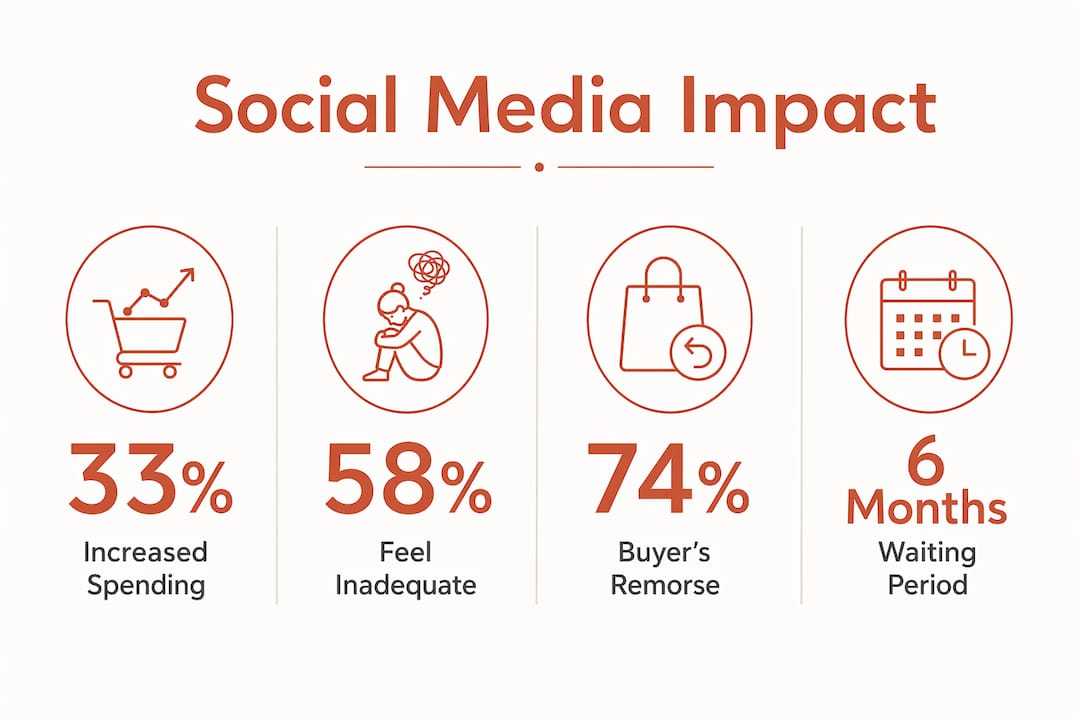
The root cause is the gap between a trend’s visual appeal and its fit for your actual life. A terracotta color palette looks stunning in a sun-drenched California home on TikTok. In your north-facing apartment, it may feel heavy and dark. 33% of consumers make purchase decisions specifically to achieve an “Instagram-worthy” aesthetic, prioritizing appearance over function or personal fit.
Algorithm-driven content also creates a homogenization problem. When the same trending styles dominate every feed, many viral spaces end up looking nearly identical, optimized for social media aesthetics rather than the personality of the people living there. Your home risks becoming a copy of a copy.
Here is a practical framework to avoid impulse purchases and build a more intentional space:
- Apply the six-month rule. Experts recommend waiting six months before buying any trend-driven item. If you still want it after six months, it is likely a genuine preference, not a fleeting impulse.
- Audit your existing space first. Before buying anything new, identify what is actually missing functionally, not just visually.
- Test with low-cost alternatives. Try a color with a small throw pillow or a removable wallpaper panel before committing to a full room overhaul.
- Evaluate for livability. Ask whether the piece works for your daily routine, your household size, and your actual lifestyle, not just for a photo.
Pro Tip: Screenshot the item you want to buy and set a calendar reminder for six months later. If you have forgotten about it by then, you saved yourself money and regret. If you still love it, buy it with confidence.
How can you use social media effectively for authentic home inspiration?
Social media works best as a starting point, not a final answer. Platforms are strongest as early inspiration tools and for troubleshooting during active projects. They are less reliable for detailed product research or accurate spatial planning. Knowing this distinction helps you use them well.
The most practical content to seek out is before-process-after material that shows real design challenges, material limitations, and problem-solving in action. This type of content gives you a realistic picture of what a project actually involves. Polished reveal photos tell you what a finished room looks like. Process content tells you whether you can realistically achieve it. For ideas on how to blend function and aesthetics in specific spaces, resources like home gym design ideas show how intentional design works in practice.
Use these strategies to get the most out of your online browsing:
- Follow creators who show the full process, including mistakes, budget constraints, and material swaps
- Save content selectively. Only save posts that genuinely fit your taste, your floor plan, and your lifestyle, not just posts that look impressive
- Cross-reference online ideas with in-person visits to furniture stores, tile showrooms, or open houses to understand scale and texture
- Use social media alongside traditional research, such as reading design publications or consulting a local designer for major decisions
Social media images do not convey true spatial experience. A tiny digital image masks real room depth, proportion, and how natural light moves through a space. Always verify scale before you buy. If you are working on a home workout area, articles like blending fitness equipment with home decor offer grounded, practical guidance that goes beyond what a single Instagram post can show.
Key Takeaways
Social media accelerates home design decisions and spending, but intentional use separates genuine inspiration from costly impulse purchases.
| Point | Details |
|---|---|
| Social media drives real spending | One in three homeowners spend 25% more on projects after engaging with design content online. |
| Younger adults lead platform use | 65% of 18–24-year-olds use Instagram and 53% use TikTok specifically for home inspiration. |
| Comparison causes dissatisfaction | 58% of frequent users feel their home is inadequate after viewing curated online spaces. |
| Buyer’s remorse is common | 74% of trend-driven decor purchases lead to regret; the six-month rule reduces impulse buying. |
| Process content beats polished reveals | Before-and-after content with real constraints delivers more practical value than staged photos. |
What I have learned about social media and your home identity
By Belle
After spending years watching how people interact with design content online, I have noticed one consistent pattern: the homeowners who end up happiest with their spaces are the ones who treat social media as a mood board, not a manual.
The blurred line between inspiration and imitation is real. When you spend an hour scrolling through beautifully curated rooms, it is easy to start wanting someone else’s home instead of a better version of your own. The algorithm does not know your floor plan, your family’s habits, or the way afternoon light falls across your living room floor. It only knows what gets clicks.
What I have seen work, time and again, is a simple shift in mindset. Instead of asking “how do I recreate this room,” ask “what does this room make me feel, and how can I create that feeling in my own space?” That question keeps your personality in the design process. It also saves you from buying a $400 rattan chair that looks perfect online and awkward in your actual hallway.
Your home is not content. It is where you rest, work, move, and live. The best version of it reflects you, not a trending aesthetic. Use social media to spark ideas, then put your phone down and think about what actually fits your life.
— Brian Dunn, Couch & Dumbbells
Couchanddumbells: where trending style meets real living
Good design inspiration deserves equally good products to bring it to life. Couchanddumbells curates furniture and home collections that align with the styles you see trending online, built for the way you actually live, not just for how they photograph.
Whether you are refreshing an outdoor space or rethinking your interior, the outdoor furniture collection at Couchanddumbells offers pieces that balance visual appeal with genuine comfort and durability. For a broader look at what fits your interior vision, the full home and interior collection covers everything from statement furniture to thoughtful decor. Every piece is selected to help you build a home that looks good and feels even better to live in every day.
FAQ
What platforms are most used for home design inspiration?
Instagram leads among 18–34-year-olds, with 65% of 18–24-year-olds using it for home inspiration. TikTok follows closely, used by 53% of the same age group for decor ideas.
How does social media influence home improvement spending?
One in three homeowners report spending 25% or more on home projects after viewing social media content, with an average of two projects initiated or accelerated per year.
Why do so many social media-inspired purchases lead to regret?
74% of trend-driven home decor purchases result in buyer’s remorse. The main cause is buying for visual appeal rather than personal fit, function, or long-term lifestyle compatibility.
What is the six-month rule for home decor purchases?
The six-month rule means waiting six months before buying any item inspired by a social media trend. If the desire persists after that period, the purchase is more likely a genuine preference than an impulse.
How can I use social media for home inspiration without feeling overwhelmed?
Focus on before-process-after content from creators who show real constraints and problem-solving. Limit browsing to 20–30 minutes daily and save only content that genuinely fits your personal taste and actual living space.