

Artisan home decor collections are defined by the craft medium, design language, and intentional variation that make each piece distinct from mass-produced alternatives. The types of artisan home decor collections most recognized by designers and homeowners include ceramics, woven textiles, hand-carved wood, fiber art, blown glass, forged metal, and handcrafted candles. Each category carries its own visual signature, functional benefit, and price range. Understanding these differences helps you build a living space that feels personal, grounded, and genuinely beautiful. At Couchanddumbells, we believe your home should reflect who you are, and artisan decor is one of the most direct ways to get there.
1. Types of artisan home decor collections by craft medium
Artisan home decor collections are commonly grouped by craft medium, and that grouping is the most practical starting point for any homeowner. Each medium brings a different texture, scale, and sensory quality into a room. Knowing what each one offers makes it easier to choose with intention rather than impulse.
Here is a breakdown of the major craft categories:
- Hand-thrown ceramics: Ridges, glaze variations, and surface irregularities are features, not flaws. These pieces provide texture and physical depth beyond what color alone can achieve.
- Woven textiles: Handwoven rugs, embroidered cushions, and block-printed fabrics use natural fibers and careful finishing to deliver heirloom quality that holds up over years of use.
- Hand-carved wood: Small decorative objects to custom furniture pieces, with price ranges that reflect the scale of craftsmanship. Mostad Works, for example, offers wood decor from $40 to $2,500.
- Fiber art: Macrame wall hangings and woven fiber panels created through hand-knotting. Each Taritali Macrame piece takes 15–30 hours to complete, and the cotton fibers reduce echo in a room.
- Blown glass: Translucent, color-rich objects that catch and scatter light. Best used as accent pieces near windows or on open shelving.
- Forged metal: Wall hooks, candle holders, and sculptural objects with raw or patinated finishes. These work especially well in industrial and modern artisan collections.
- Handcrafted candles: Hand-poured soy wax candles in decorative vessels that function as design objects as much as scent sources.
Pro Tip: When mixing craft mediums in one room, pair one rough texture like raw wood or macrame with one smooth surface like glazed ceramic or blown glass. That contrast creates visual balance without visual noise.
2. Artisan ceramic collections and their design languages
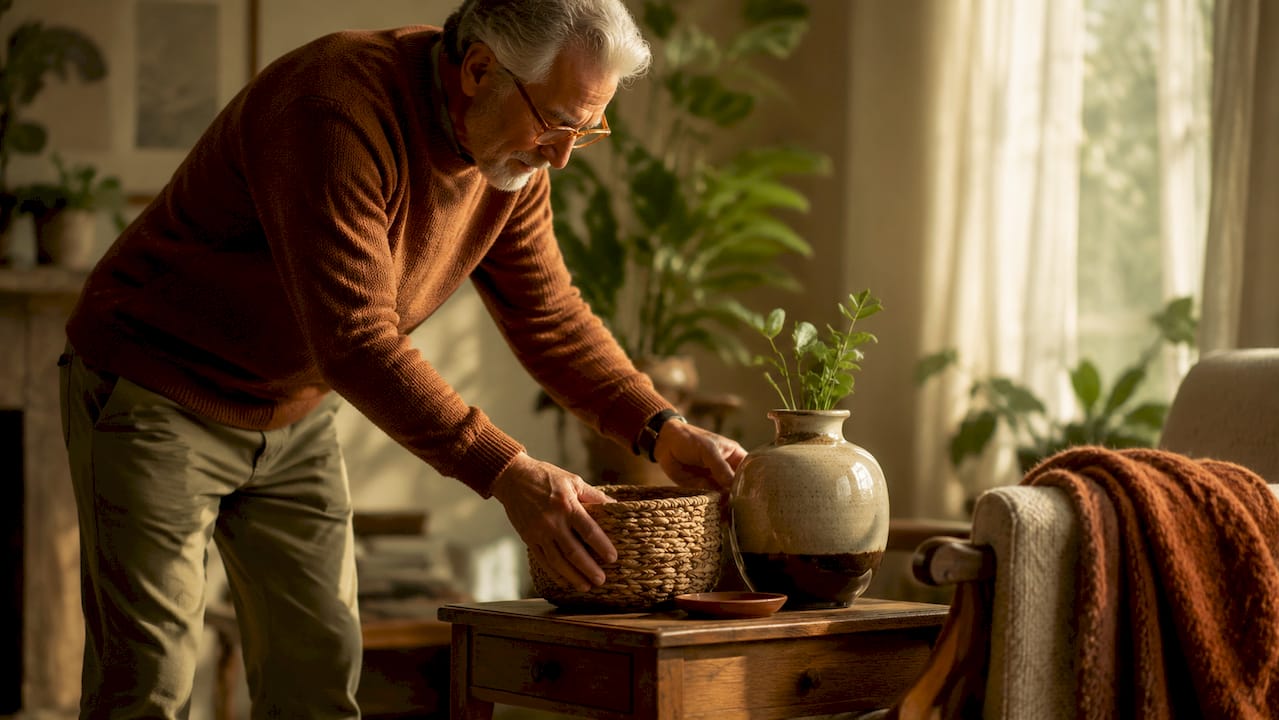
Ceramic artisan collections go far beyond simple pottery. The most distinctive collections are built around consistent surface series that define a recognizable design identity. Made a Mano, for example, organizes its work into the Cristalli, Ossido, and Komon series, each combining traditional techniques with contemporary visual motifs. That approach turns individual pieces into a coherent collection rather than a random assortment.
Curated artisan collections often build distinct design worlds using surface finishes, patterns, and functional intentions rather than just item categories. A Cristalli-style glaze series might use crystalline formations across a vase, a bowl, and a side plate, creating visual unity across different objects. That coherence is what separates a thoughtful collection from a shelf of mismatched pieces.
When you shop for ceramic artisan decor, look for makers who describe their surface process clearly. Terms like reduction firing, slip trailing, or sgraffito tell you the maker has a defined craft practice. That specificity signals authenticity and gives you a story to connect with every time you look at the piece.
3. Handwoven textile collections and what sets them apart
Handwoven textile collections include rugs, cushion covers, quilts, curtains, and wall hangings made through hand weaving, embroidery, or block printing. The defining quality of these collections is their use of natural fibers like cotton, wool, and linen, combined with finishing details that determine how long a piece will last. For artisan textiles, structural longevity details like edging quality and natural fibers distinguish heirloom-quality pieces from fragile accents.
Block-printed fabrics carry the slight imperfection of a hand-carved stamp, which gives each repeat pattern a warmth that digital printing cannot replicate. Embroidered cushions show thread tension variations that prove human hands were involved. These qualities are not defects. They are the point.
Textile collections work especially well in bedrooms and living rooms where layering is part of the design strategy. A handwoven rug anchors the space, embroidered cushions add detail at eye level when seated, and a block-printed throw completes the layer without competing for attention.
4. Fiber art collections: macrame, wall hangings, and acoustic benefits
Fiber art collections center on hand-knotted and woven wall pieces that add both visual and acoustic depth to a room. Macrame is the most recognized form, built from cotton rope knotted into geometric or organic patterns. The process is labor-intensive. Each piece from makers like Taritali Macrame takes 15–30 hours of hand knotting, which explains both the price point and the visual density of the finished work.
The acoustic benefit is real and often overlooked. Cotton fibers absorb sound, which reduces echo in rooms with hard floors and bare walls. This makes fiber art collections a practical choice for open-plan living areas and home studios, not just a decorative one.
Fiber art also connects naturally to biophilic home decor principles, since natural materials and organic forms support a sense of calm and connection to the natural world. If your space feels cold or echoey, a large fiber wall piece addresses both problems at once.
5. How design language unifies artisan collections across mediums
| Collection type | Design driver | Key visual quality | Functional benefit |
|---|---|---|---|
| Ceramic series | Surface finish and glaze | Texture, depth, color variation | Durable, food-safe options available |
| Woven textiles | Natural fiber and pattern | Warmth, softness, repeat motifs | Insulation, acoustic softening |
| Fiber art | Knot structure and form | Organic geometry, layered depth | Acoustic absorption, wall coverage |
| Artisan candles | Vessel shape and scent | Sculptural silhouette, warm glow | Ambient lighting, scent atmosphere |
| Hand-carved wood | Grain and tool marks | Natural warmth, organic edge | Structural durability, tactile interest |
Design language is the thread that connects pieces across different mediums into one coherent collection. A collection built around natural tones, raw textures, and organic forms can include a ceramic vase, a jute rug, a macrame wall piece, and a carved wood bowl without any of them clashing. The unifying principle is not the material. It is the visual intention behind each piece.
Artisan candle collections are a good example of this principle in action. Hand-poured soy wax candles with sculptural vessels contribute to a room’s visual story even when unlit. The vessel becomes a permanent decor object, and the scent adds a sensory layer that purely visual decor cannot provide.
6. How to build and mix artisan collections room by room
Start each room with one anchor piece. In a living room, that might be a large handwoven rug or an oversized ceramic vase. In a bedroom, a textile statement piece like an embroidered quilt or a woven headboard panel works well. In a kitchen, practical ceramics and a wood cutting board or serving board bring craft into daily use. In an entryway, a single forged metal hook rack or a small fiber wall piece makes an immediate impression without overwhelming a compact space.
Once your anchor is in place, add complementary textures from other craft mediums to create depth. The goal is contrast without conflict. A smooth ceramic anchor pairs well with a rough fiber piece. A warm wood anchor pairs well with a cool blown glass accent.
Pro Tip: You do not need every piece to be artisan-made. Mixing one or two handcrafted pieces with well-designed mass-produced items often produces a more grounded and livable result than filling every surface with handmade objects.
Here are practical tips for maintaining artisan pieces once you have them:
- Ceramics: Hand wash glazed pieces to preserve surface finishes. Avoid abrasive scrubbers.
- Woven textiles: Spot clean natural fiber rugs and rotate them every six months to distribute wear evenly.
- Fiber art: Dust macrame with a soft brush or low-suction vacuum attachment. Keep away from direct moisture.
- Wood decor: Apply food-safe oil to carved wood pieces every few months to prevent cracking.
- Candles: Trim the wick to a quarter inch before each burn to protect the vessel and extend the candle’s life.
7. Comparing artisan craft mediums: a practical guide
| Craft medium | Typical price range | Common uses | Durability | Design variation |
|---|---|---|---|---|
| Hand-thrown ceramics | $30–$300+ | Vases, bowls, plates, planters | High | High per piece |
| Woven textiles | $50–$500+ | Rugs, cushions, throws, curtains | Medium to high | Pattern and color vary |
| Hand-carved wood | $40–$2,500 | Bowls, trays, sculptures, furniture | Very high | Grain and form vary |
| Fiber art (macrame) | $80–$600+ | Wall hangings, plant holders | Medium | Knot pattern varies |
| Blown glass | $40–$400+ | Vases, vessels, light shades | Medium | Color and form vary |
| Forged metal | $30–$350+ | Hooks, candle holders, wall art | Very high | Finish and patina vary |
| Handcrafted candles | $20–$150 | Table decor, ambient lighting | N/A (consumable) | Vessel and scent vary |
Budget-friendly entry points exist in every category. A single hand-thrown ceramic mug or a small forged metal candle holder gives you the texture and authenticity of artisan craft without a large investment. Investment-level pieces, like a custom hand-carved wood console or a large handwoven area rug, anchor a room for years and often appreciate in perceived value as the maker’s reputation grows.
Choosing by craft signal is the most reliable selection method. Look for visible process markers: hand-knot hours, surface uniqueness, tool marks, and glaze variation. These details confirm that a piece is genuinely artisan-made rather than factory-produced with artisan-style marketing.
Key takeaways
Artisan home decor collections are best chosen by craft medium, design language, and texture, starting with one anchor piece per room and building outward with complementary materials.
| Point | Details |
|---|---|
| Start with craft medium | Identify ceramics, textiles, wood, fiber, glass, metal, or candles as your primary category before shopping. |
| Use design language to unify | Choose pieces that share a visual intention, such as natural tones or organic forms, across different mediums. |
| Anchor each room first | Place one statement artisan piece per room before adding complementary textures and accents. |
| Check craft signals | Look for hand-knot hours, glaze variation, and tool marks to confirm genuine artisan quality. |
| Mix artisan with mass-produced | Combining handcrafted pieces with well-designed everyday items creates a more livable and balanced space. |
What I have learned from building artisan collections in real homes
The most common mistake I see is treating artisan decor as a category to complete rather than a practice to develop. People buy five ceramic pieces at once and wonder why the shelf feels busy. The truth is that artisan collections work best when they grow slowly, one piece at a time, with intention behind each addition.
I have also noticed that homeowners underestimate texture as a decision filter. Color gets all the attention, but texture is the primary driver of how a room feels to be in. A room with varied textures, rough fiber next to smooth ceramic next to warm wood, feels alive in a way that a color-coordinated but texture-flat room never does.
The sustainability angle matters too. Choosing artisan decor from makers who use natural materials and traditional processes is one of the most direct ways to support eco-friendly decor collections and reduce your home’s reliance on synthetic, disposable goods. That choice has a real impact, and it shows in the quality of what you bring home.
My honest recommendation: start with one craft medium you genuinely connect with, learn the process behind it, and let that knowledge guide every piece you add. A home built that way has a story. And a home with a story is always worth spending time in.
— Brian Dunn, Couch & Dumbbells
Bring artisan style home with Couchanddumbells
Couchanddumbells curates a selection of home and interior pieces designed for people who care about how their space looks and how it feels to live in. If you are ready to bring handcrafted quality into your home, the Home & Interior collection is the right place to start. You will find decor that reflects real craftsmanship, chosen for both visual impact and everyday durability. Whether you are building your first artisan collection or adding to an existing one, Couchanddumbells makes it easy to shop with intention and bring genuine character into every room of your home.
FAQ
What are the main types of artisan home decor collections?
The main types are ceramics, woven textiles, hand-carved wood, fiber art, blown glass, forged metal, and handcrafted candles. Each is defined by its craft medium, surface variation, and functional qualities.
How do I choose between different artisan decor styles?
Start by identifying the texture and design language you want in a room, then select a craft medium that delivers it. Look for visible craft signals like glaze variation, hand-knot hours, or tool marks to confirm authenticity.
Are artisan home decor collections eco-friendly?
Many artisan collections use natural materials like cotton, wool, wood, and soy wax, which makes them a stronger choice for eco-friendly decor compared to synthetic mass-produced alternatives. Always check the maker’s material sourcing for confirmation.
What is the most affordable way to start an artisan collection?
Handcrafted candles and small ceramic pieces offer the lowest entry points, often starting around $20–$40. These give you genuine artisan quality without a large upfront investment.
Can I mix artisan decor with modern or minimalist interiors?
Artisan pieces work well in modern and minimalist spaces because their texture adds depth without visual clutter. A single hand-thrown ceramic vase or a forged metal accent is enough to bring warmth to a clean, spare room.