

Minimalist living room furniture is defined by clean geometric forms, purposeful function, and natural materials that create calm, uncluttered spaces. The types of minimalist living room furniture that lead in 2026 go well beyond bare white rooms and cold surfaces. The dominant aesthetic is now Organic Modern, blending architectural lines with warm, tactile materials like bouclé, natural oak, travertine, and linen. This shift means minimalism today is livable, warm, and deeply intentional. If you want a living room that feels both beautiful and grounded, this guide gives you every category, material, and principle you need.
1. Types of minimalist living room furniture: the essential categories
Minimalist design does not mean owning less for its own sake. Every piece you choose must serve a clear purpose, either through genuine beauty, practical function, or both.
Low-profile sofas
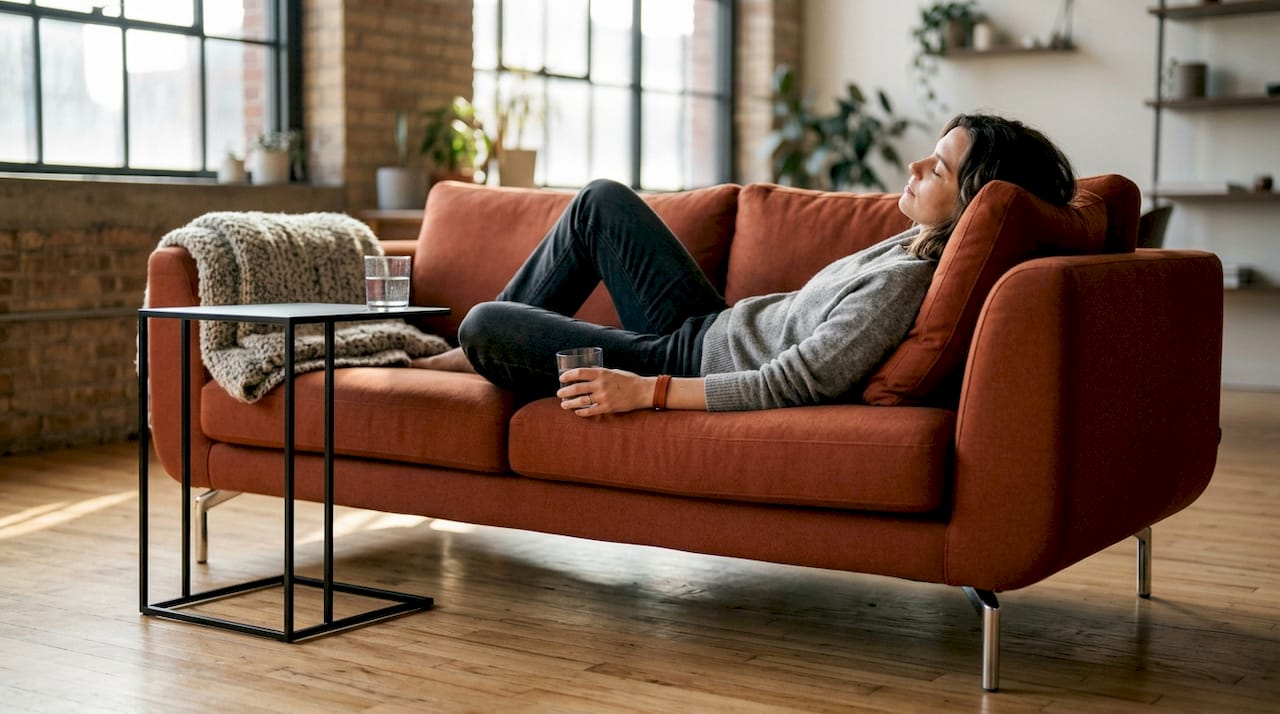
The sofa is the anchor of any minimalist living room. Minimalist sofas have clean lines, neutral solid upholstery, and a low profile that keeps the room feeling open. Performance linen and bouclé are the top upholstery choices in 2026 because they add tactile warmth without visual noise. Avoid tufting, rolled arms, or ornate legs. A straight, slightly tapered leg in natural wood or matte black metal is the right call.
Coffee tables with sculptural presence
A proportional coffee table serves as both a functional focal point and a sculptural element. Simple geometric shapes in natural wood or travertine stone work best. Some designs include hidden storage, which keeps the surface clear and the room uncluttered. Avoid glass tops with ornate metal frames. A solid travertine slab or a warm oak rectangle earns its place on form alone.
Accent chairs as a single statement
One well-chosen accent chair does more for a minimalist room than three mismatched ones. Natural textures like boucle, raw cotton, or woven rattan create visual interest without competing with the sofa. Keep the silhouette simple: a curved back or a clean barrel shape works well. The chair should contrast the sofa in texture, not in color.
Media consoles and floating storage
Floating media consoles and wall-mounted units are the single most effective strategy for keeping floor space clear. Visual floor clearance makes a room feel larger and less cluttered. Choose units with flat-front doors, no visible hardware, and a finish that matches your wood tones. Built-in floor-to-ceiling shelving follows the same principle: it stores everything while disappearing into the wall.
Storage ottomans
A storage ottoman replaces both a footrest and a side table while hiding blankets, remotes, and magazines inside. Experts recommend multi-purpose items like storage ottomans to reduce clutter in minimalist spaces. Choose a rectangular shape in a neutral linen or leather finish. Avoid tufted or heavily padded versions that read as traditional rather than minimal.
Side tables with restraint
One or two side tables per seating area is the limit. A simple round or square table in solid wood or stone keeps the look clean. Avoid tables with lower shelves that collect clutter. The surface should hold one lamp and one small object, nothing more.
Lighting as furniture
Lighting is not an afterthought in a minimalist room. Layered lighting with ambient, task, and accent sources in warm 2700K tones enhances the warmth of your furniture and prevents the cold showroom effect. A sculptural floor lamp beside the sofa and a pendant above the coffee table area cover both ambient and accent needs. Choose fixtures with simple silhouettes in matte black, brushed brass, or natural rattan.
Pro Tip: Buy your lighting at the same time as your furniture. Warm 2700K bulbs change how wood tones and upholstery read in a room. A sofa that looks cold in a showroom can feel completely different under the right light at home.
2. Material choices that define minimalist furniture
Cold, flat, or shiny surfaces sabotage warm minimalist aesthetics. Natural, tactile materials are the foundation of a minimalist room that actually feels good to live in.
The best materials for minimalist living room furniture:
- Solid wood. Oak, walnut, and ash are the top choices. Their grain adds natural warmth without decoration. Avoid veneers with obvious seams or overly lacquered finishes.
- Linen and bouclé upholstery. Raw linen breathes and softens over time. Bouclé adds texture and depth without pattern. Both resist the sterile look that plagued older minimalist interiors.
- Travertine and stone. Travertine coffee tables and side table tops bring organic texture and weight. The natural veining does the decorative work so you do not need accessories.
- Matte metal. Brushed brass, matte black, and raw steel work in structural roles: legs, frames, and lamp bases. Avoid polished chrome, which reads as dated and cold.
- Natural rattan and woven materials. Used sparingly on accent chairs or lamp shades, rattan adds warmth and a handmade quality that synthetic materials cannot replicate.
Avoid high-gloss lacquer, mirrored surfaces, and heavily printed or synthetic fabrics. These finishes reflect light in ways that flatten a room and make it feel less personal. The goal is a surface you want to touch, not one you want to photograph.
3. How to balance aesthetics and functionality
Minimalist furniture earns its place through function as much as form. Every piece must earn its place by genuine beauty or function. Decorative-only items should be removed to maintain negative space and ease of movement.
A practical framework for selecting each piece:
- Ask two questions before buying. Does this piece serve a clear function? Does it add visual quality to the room? If the answer to both is no, do not buy it.
- Apply the 60/30/10 color rule. The 60/30/10 color balance rule is the standard for timeless minimalist rooms: 60% dominant neutral, 30% secondary neutral, and 10% accent color. This prevents monotony without creating chaos.
- Choose floating over floor-standing storage. Wall-mounted units clear the floor entirely. Clear floors make rooms feel larger, calmer, and easier to move through.
- Prioritize multi-function pieces. A storage ottoman, a sofa with a chaise that doubles as a guest bed, or a console that hides a home office setup all reduce the total number of pieces you need.
- Protect negative space. Leave at least 18 inches of walking space around each furniture grouping. Empty floor and wall space is not wasted. It is the visual rest that makes your furniture stand out.
Pro Tip: If you are designing a space that also needs to function for movement or exercise, choose furniture with legs rather than pieces that sit flush to the floor. Legs create visual lightness and make it easier to clean and rearrange.
4. Practical tips for arranging and styling minimalist furniture
Arrangement is where minimalist principles either succeed or collapse. Good furniture placed poorly still creates a cluttered, disconnected room.
- Anchor the seating area with a rug. Choose a rug large enough that all front legs of the sofa and chairs sit on it. A rug that is too small floats awkwardly and fragments the space. Stick to solid colors or very subtle textures in natural fibers like wool or jute.
- Contrast the accent chair with the sofa. If your sofa is linen, choose a bouclé or rattan chair. The contrast in texture creates visual interest without adding color or pattern. This is one of the most effective tricks in minimalist styling.
- Use a single large artwork. A single large artwork creates a stronger focal point than a gallery wall of smaller pieces. Choose something with a simple composition and a palette that pulls from your 10% accent color.
- Layer your lighting. One overhead fixture is not enough. Add a floor lamp beside the sofa and a table lamp on a side table. Three light sources at different heights create depth and warmth that a single ceiling light cannot.
- Keep surfaces intentional. The coffee table surface should hold three objects at most: a tray, one plant or object, and one book. The tray groups items visually and makes the surface feel curated rather than cluttered.
| Styling element | Minimalist approach |
|---|---|
| Rug | Solid color, natural fiber, large enough for all front legs |
| Artwork | Single large piece, simple composition |
| Lighting | Three sources: ambient, task, accent at 2700K |
| Coffee table surface | Tray plus two objects maximum |
| Accent chair | Different texture from sofa, same color family |
Key takeaways
The most effective minimalist living room combines low-profile furniture, natural materials, and the 60/30/10 color rule to create a warm, functional, and uncluttered space.
| Point | Details |
|---|---|
| Choose multi-purpose pieces | Storage ottomans and floating consoles reduce clutter without sacrificing function. |
| Prioritize natural materials | Oak, linen, bouclé, and travertine create warmth that synthetic finishes cannot replicate. |
| Apply the 60/30/10 rule | Allocate 60% dominant neutral, 30% secondary neutral, and 10% accent color for visual harmony. |
| Protect negative space | Leave 18 inches of walking space around furniture groupings to maintain calm and flow. |
| Layer your lighting | Use three sources at warm 2700K tones to prevent the cold showroom effect. |
What I have learned about minimalism and the “showroom trap”
The biggest mistake I see in minimalist living rooms is what I call the showroom trap. The room looks perfect in photos and feels empty in person. Every surface is bare, every piece is neutral, and nothing signals that a real person lives there. That is not minimalism. That is staging.
The shift that changed how I think about this came from understanding that warmth and livability are not the opposite of minimalism. They are the point. A bouclé chair beside a travertine coffee table, lit by a warm floor lamp, tells a story. A white sofa on a white rug under a white ceiling tells nothing.
The other mistake I see constantly is misbalanced color. People go all neutral and then panic, adding too many accent colors at once. The 60/30/10 rule exists precisely to prevent this. Pick your dominant tone, your secondary tone, and one accent. Then stop. The restraint is what makes the room feel considered rather than accidental.
My honest advice: buy fewer pieces, buy them better, and give each one room to breathe. A living room with six well-chosen pieces will always outperform one with twelve average ones. Intentionality is not about owning less. It is about owning right.
— Brian Dunn, Couch & Dumbbells
Couchanddumbells has the pieces your living room needs
Finding furniture that genuinely fits a minimalist aesthetic takes time. Couchanddumbells curates furniture and home interior pieces built around clean design, quality materials, and purposeful function. Whether you are furnishing a compact apartment or refreshing a larger living room, the home and interior collection brings together pieces that earn their place in any intentional space.
If you want to extend your minimalist aesthetic outdoors, the outdoor furniture set brings the same clean lines and considered design to patios and terraces. Couchanddumbells also publishes guides on blending fitness gear with home decor for readers who want their living space to support both rest and movement. Quality, intention, and design in one place.
FAQ
What are the best minimalist living room furniture pieces?
The best pieces are a low-profile sofa in neutral upholstery, a sculptural coffee table in wood or stone, a single accent chair, and a floating media console. Each piece should serve a clear function and maintain clean lines.
How do I choose minimalist furniture for a small living room?
Choose furniture with legs rather than floor-hugging bases, use wall-mounted storage to clear the floor, and limit your seating to one sofa and one accent chair. Floating units and multi-purpose pieces like storage ottomans are the most effective tools for small spaces.
What materials work best for minimalist furniture styles?
Solid oak, walnut, and ash for wood surfaces; linen and bouclé for upholstery; travertine or stone for table tops; and matte metal for frames and legs. Avoid high-gloss, mirrored, or synthetic finishes that create a cold, impersonal feel.
What is the 60/30/10 rule in minimalist living room decor?
The 60/30/10 rule allocates 60% of the room’s color to a dominant neutral, 30% to a secondary neutral, and 10% to a single accent color. This balance prevents monotony and keeps the palette cohesive without feeling flat.
How many furniture pieces does a minimalist living room need?
A well-designed minimalist living room typically needs five to seven pieces: a sofa, a coffee table, one accent chair, a media console or storage unit, one or two side tables, and layered lighting. Every additional piece should justify its presence through function or exceptional design.
Recommended
- Top 6 Best Modular Sofas for Small Living Rooms 2026 | Couch & Dumbbells
- How Compact Furniture Solutions Work for Small Spaces | Couch & Dumbbells
- Why City Living Demands Versatile Furniture: a Practical Guide | Couch & Dumbbells
- Modular Furniture Design: Your Guide to Flexible Living | Couch & Dumbbells