

Hygge is defined as a Danish state of mind centered on warmth, comfort, and genuine togetherness. Understanding what hygge means for your home goes far beyond buying new throw pillows or scented candles. The concept, rooted in Scandinavian culture, describes a feeling of safety and contentment that you create through atmosphere, presence, and connection. It is a Danish national identity practice that functions as a powerful antidote to stress, particularly during the darker winter months.
What does hygge mean for your home environment?
Hygge in the home is not a decorating style. It is a mood you cultivate deliberately. The word itself, pronounced roughly as “hoo-gah,” has no direct English translation, which is why so many people misread it as a design trend. Scandinavian design philosophy treats the home as a refuge, not a showroom. Hygge is the emotional quality of that refuge.
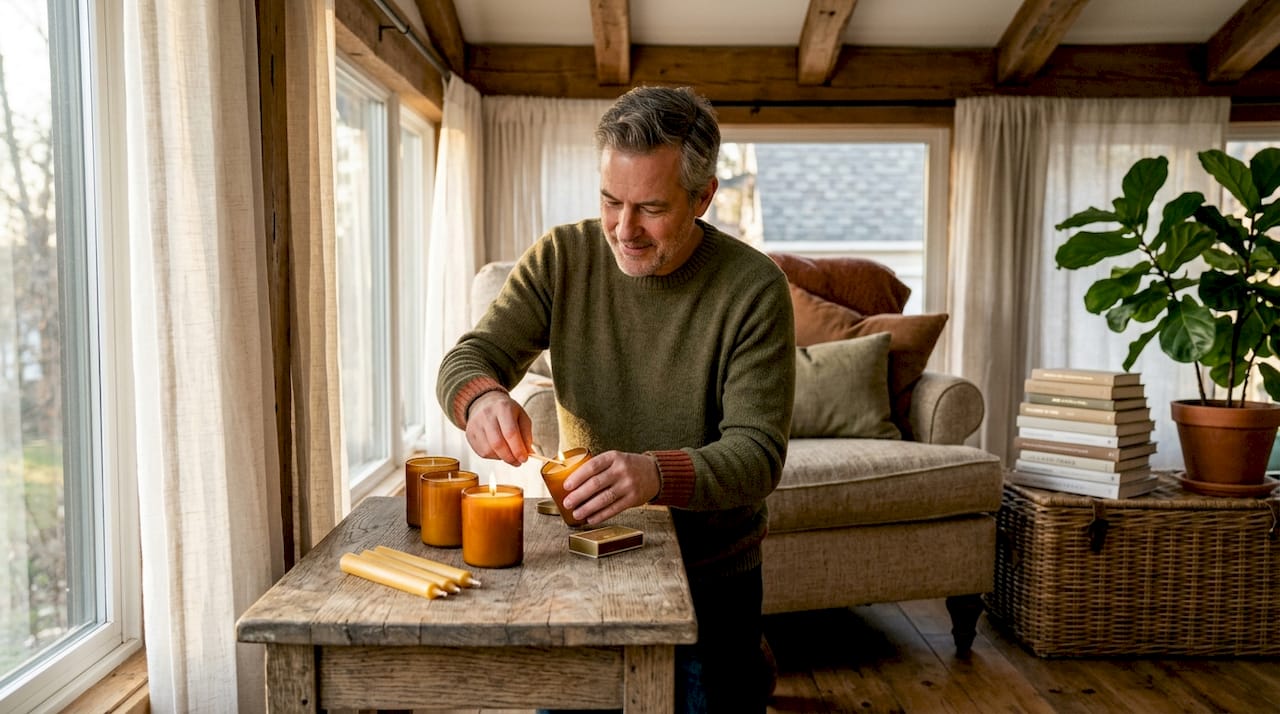
The hygge definition in home terms comes down to one idea: your space should make you feel sheltered, present, and at ease. That feeling depends far more on atmosphere than on aesthetics. A $10 candle on a wooden table creates more hygge than a $500 accent chair placed in a cold, harshly lit room.
The core elements of a hyggelig atmosphere
Creating a hyggelig (hygge-filled) home relies on a few consistent physical and experiential elements:
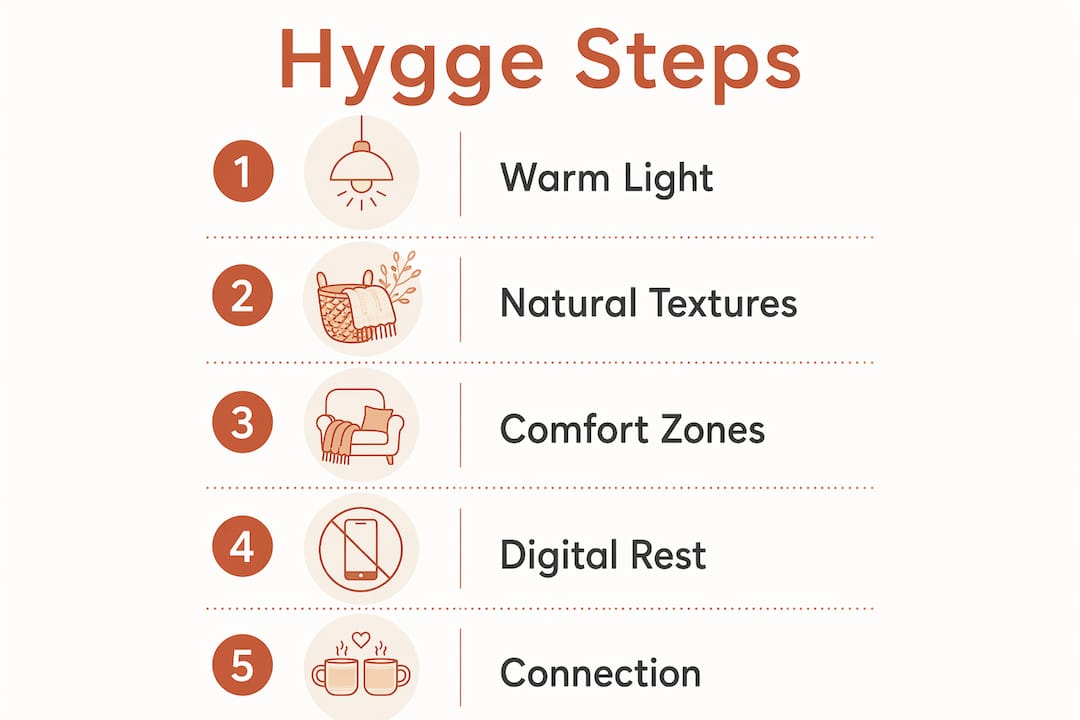
- Warm lighting. Warm 2700K bulbs layered with smaller lamps and candles replace the cold glare of overhead fixtures. This single change transforms the emotional tone of any room.
- Textile layering. Wool, linen, and sheepskin throws stacked on a sofa or chair add tactile warmth. The goal is variety in texture, not volume of items.
- Natural materials. Wood, stone, and indoor plants ground a space and connect it to the natural world, especially important during winter.
- A hyggekrog. This Danish term describes a cozy nook, a dedicated corner for retreat. It can be as small as 3–5 square feet and needs only an armchair, a lamp, and a basket of throws.
- Digital disconnection. Danish families practice device-free afternoon snack time to focus entirely on togetherness. Putting phones away is not optional in hygge culture.
Pro Tip: Start with lighting before anything else. Replacing a single harsh overhead bulb with a warm 2700K alternative costs under $50 and creates an immediate, noticeable shift in how your home feels.
How does hygge differ from just making a home cozy or stylish?
Hygge and coziness overlap, but they are not the same thing. A stylish home can be cold and isolating. A cozy home can still be distracted and rushed. Hygge requires something neither of those guarantees: genuine presence.
The commercialized version of hygge that spread through Western markets in the 2010s turned the concept into a shopping list. Chunky knit blankets, copper mugs, and fairy lights became “hygge products.” That interpretation missed the point entirely.
“If you feel the need to buy specific décor, you have missed the point of hygge. Hygge is fundamentally about feelings of safety, warmth, and genuine human connection, not about buying products.”
The distinction matters practically. You can create hygge in a nearly empty apartment. You cannot create it in a beautifully furnished room where everyone is staring at their phones. The hygge lifestyle prioritizes being over having, and slowing down over staying busy.
Here is where hygge living separates itself from trendy interior design:
- Hygge is about who is in the room, not what is in the room.
- Hygge values effortless simplicity, not curated perfection.
- Hygge treats rituals (shared meals, tea time, reading together) as the main event, not the backdrop.
- Hygge is achieved through curation, not accumulation. You keep items you love and use, not items that photograph well.
What practical steps can you take to create hygge at home?
Creating hygge at home is a gradual process. You do not need to renovate or redecorate. You need to make a series of small, intentional choices that shift how your home feels to everyone in it.
Build your hyggekrog first
Creating a hyggekrog is the most effective starting point for anyone new to hygge. Choose a corner of your living room, bedroom, or even a window alcove. Place a comfortable chair, add a warm lamp beside it, and keep a basket of soft throws within reach. This small space becomes your anchor for daily rest and reflection.
Upgrade your lighting before anything else
The most common hygge mistake is leaving harsh overhead lighting in place. Warm ambient light layered from multiple low sources creates the soft glow that defines a hyggelig room. Use floor lamps, table lamps, and candles together. Avoid bright white or cool-toned bulbs in living areas.
Practice digital hygge
Storing devices in a basket at the door during meals or gatherings is a direct hygge practice. It supports mental rest and undistracted connection. You do not need a strict rule. A simple habit of setting phones face-down during dinner creates a noticeable shift in how present everyone feels.
The table below shows practical hygge adaptations with approximate cost and impact level:
| Hygge adaptation | Approximate cost | Impact on atmosphere |
|---|---|---|
| Replace overhead bulbs with 2700K warm bulbs | Under $50 | High |
| Add a basket of wool and linen throws | $30–$80 | High |
| Set up a hyggekrog with an armchair and lamp | $0–$200 | Very high |
| Introduce one or two indoor plants | $10–$40 | Medium |
| Start a device-free meal ritual | $0 | Very high |
Pro Tip: Pick one adaptation from the table and commit to it for two weeks before adding another. Small habits compound into lasting change far more reliably than full-room overhauls.
How does hygge improve well-being and home life?
Hygge improves well-being by shifting your attention from external circumstances to internal contentment. That shift is especially powerful during dark or stressful seasons. Scandinavian countries experience long, cold winters, and hygge developed partly as a cultural response to that reality. It gives people a reason to find comfort and meaning indoors rather than waiting for conditions to improve.
The psychological benefits are grounded in what hygge actually does to your nervous system. Warm light, soft textures, and quiet connection all reduce sensory overload. They signal safety to your brain. That signal lowers stress and creates the mental space for genuine rest. Incorporating natural materials into your home amplifies this effect by connecting your environment to calming, organic patterns.
Hygge also strengthens relationships. When you prioritize presence over productivity during shared time at home, conversations deepen and connections grow. A shared meal with no screens, a pot of tea and a board game, or simply sitting together in a well-lit room creates the kind of memory that builds a sense of belonging. That sense of belonging is not a luxury. It is a core human need, and hygge living makes space for it deliberately.
Key Takeaways
Hygge in the home is defined by atmosphere, presence, and genuine connection, not by the items you own or the style of your decor.
| Point | Details |
|---|---|
| Hygge is a mindset, not a style | Focus on how your home feels, not how it looks in photos. |
| Lighting is the highest-impact change | Warm 2700K bulbs and layered light sources transform any room affordably. |
| The hyggekrog is your starting point | A 3–5 square foot cozy nook with a chair, lamp, and throws is enough to begin. |
| Digital disconnection is non-negotiable | Device-free time during meals and gatherings is a core hygge practice. |
| Presence matters more than possessions | Shared rituals and genuine connection create hygge, not curated decor. |
Why I think most people approach hygge backwards
I have watched the hygge trend cycle through home design circles for years, and the same mistake keeps appearing. People start by shopping. They buy the candles, the chunky blankets, the wooden trays. Then they wonder why their home still does not feel the way they imagined it would.
The problem is sequence. Hygge is not something you install. It is something you practice. The physical environment supports the practice, but it does not create it. I have sat in beautifully styled rooms that felt completely hollow, and I have felt deep hygge in a friend’s apartment with mismatched furniture and a single lamp. The difference was always the people and the pace, not the decor.
What I have found actually works is starting with one ritual, not one purchase. Pick a time of day, maybe a morning coffee before the rest of the house wakes up, or a Sunday afternoon with no plans, and protect that time deliberately. Let the physical changes follow naturally from what that ritual needs. You will find you buy less and feel more.
The other thing worth saying: hygge is not about perfection. A messy kitchen after a shared meal is deeply hyggelig. A spotless living room where no one feels comfortable sitting down is not. Prioritize the people and the feeling, and the space will follow.
— Brian Dunn, Couch & Dumbbells
Cozy home pieces that support your hygge lifestyle
Your home environment shapes how you rest, connect, and recharge every single day. The right pieces make that easier without demanding a full redesign.

At Couchanddumbells, the home and interior collection is curated with exactly this balance in mind. You will find furnishings built from natural materials, soft textiles, and warm-toned decor that support a calm, intentional atmosphere. Whether you are setting up your first hyggekrog or refreshing a living space that needs more warmth, the collection gives you quality pieces that earn their place in your home. Browse at your own pace and choose what genuinely fits your space and your life.
FAQ
What does hygge mean in simple terms?
Hygge is a Danish concept that describes a feeling of warmth, comfort, and genuine togetherness. It is a state of mind, not a decorating style.
How do you pronounce hygge?
Hygge is pronounced roughly as “hoo-gah.” The “hy” sounds like “hoo” and the “gge” sounds like a soft “gah.”
What is a hyggekrog?
A hyggekrog is a cozy nook or dedicated corner for rest and retreat. It can be as small as 3–5 square feet and typically includes a comfortable chair, a warm lamp, and soft throws.
Is hygge the same as being cozy?
Hygge and coziness overlap but are not identical. Hygge requires genuine presence and connection, while coziness can exist without either. A stylish, comfortable room with distracted occupants is cozy but not hyggelig.
Can you practice hygge living alone?
Yes. Hygge applies equally to solitary moments of rest and self-care. A quiet morning with warm tea, soft lighting, and no distractions is a fully valid hygge experience.