

Investing in your home environment is defined as the deliberate allocation of money, time, and attention toward upgrades that increase both property value and daily quality of life. The financial return on home upgrades is well documented: the 2026 Cost vs. Value Report shows garage door replacement alone recoups 194%–268% of its cost. The National Association of Realtors confirms that targeted interior updates lift resale prices by measurable margins. Beyond the numbers, research links well-designed living spaces to lower stress, better sleep, and stronger emotional resilience. This article breaks down exactly where the returns come from and how to prioritize your spending.
Why investing in home environment pays: the financial case
Home environment investments deliver returns through two channels: direct resale value and reduced long-term costs. Understanding both helps you spend where it counts.
Exterior projects lead on ROI
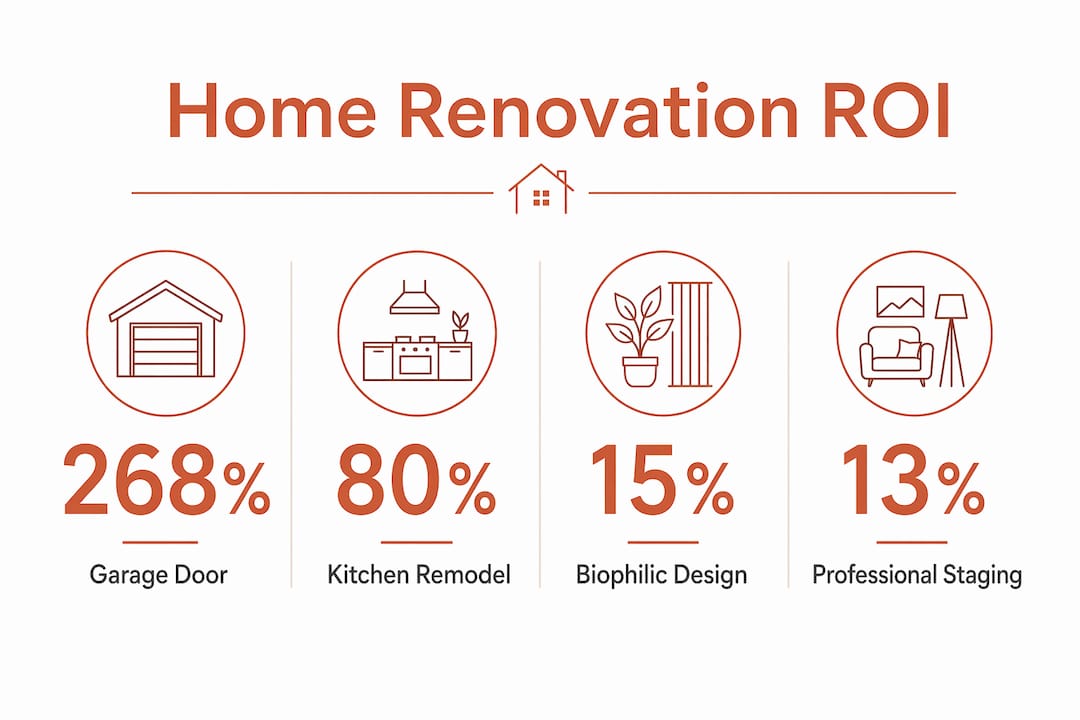
Garage door replacement offers the highest return among exterior projects, recouping 194%–268% of its cost. A project costing around $4,300–$4,672 can add over $12,500 in resale value. That ratio beats most interior remodels by a wide margin.
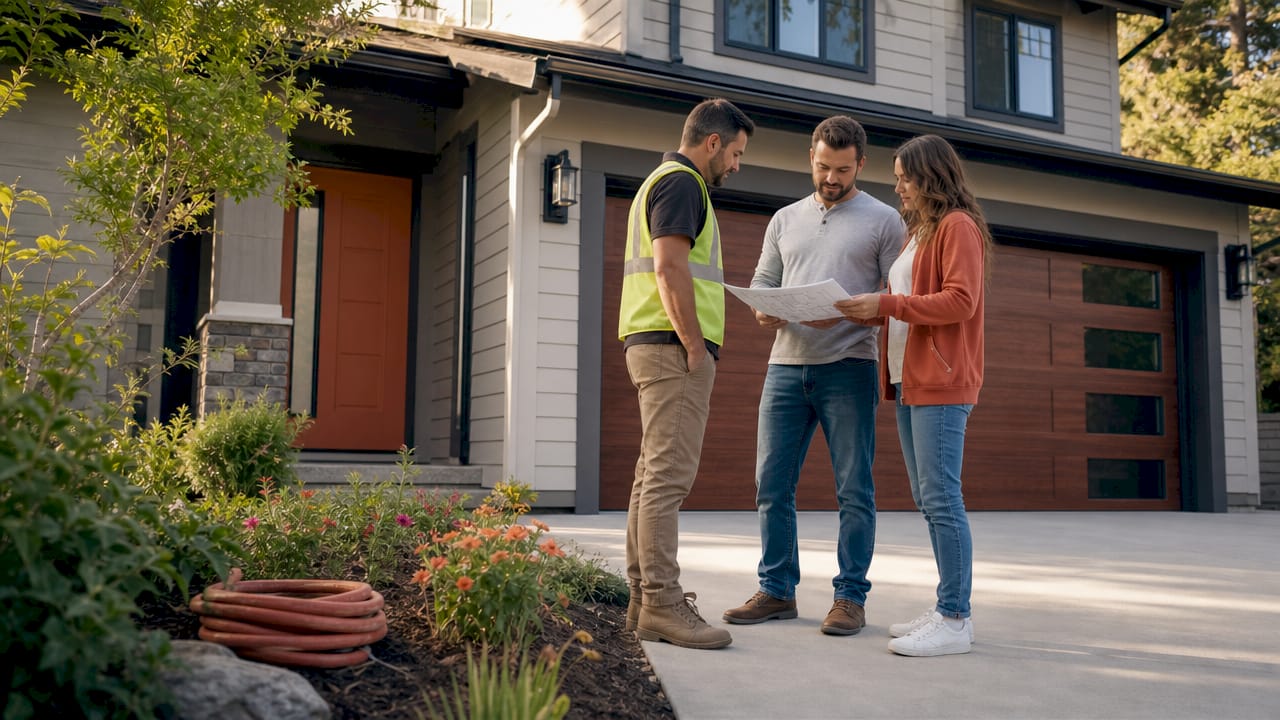
Front doors, fresh paint, and landscaping follow a similar pattern. Buyers form an impression within seconds of arriving, and curb appeal directly shapes their offer price. Spending $500 on exterior paint and $300 on new house numbers can move a buyer’s perception more than a $10,000 kitchen upgrade they never see until after the offer is made.
Interior updates: where to spend and where to stop
Mid-range kitchen remodels typically recoup 60%–80% of costs, with bathrooms returning even more in high-demand markets. These are solid numbers, but they depend heavily on your local market and the quality of existing finishes. Over-improving a kitchen in a mid-range neighborhood rarely pays back in full.
Staging and biophilic design can increase home resale value by 5%–15%. Staging alone adds 5%–13%, while biophilic features such as living walls, natural wood finishes, and large windows fetch an 8% premium in certain markets. These upgrades appeal to buyers on an emotional level, which often translates directly into higher offers.
The table below summarizes key projects by typical cost and return:
| Project | Typical Cost | Estimated ROI |
|---|---|---|
| Garage door replacement | $4,300–$4,672 | 194%–268% |
| Professional staging | Low relative cost | 5%–13% lift |
| Biophilic design features | Varies | 8% premium |
| Mid-range kitchen remodel | Moderate | 60%–80% |
| Bathroom remodel (high-demand market) | Moderate | Can exceed kitchen ROI |
Pro Tip: Prioritize curb appeal before any interior project. Buyers decide how they feel about a home before they walk through the door, and exterior upgrades consistently deliver the strongest financial return per dollar spent.
How does investing in your home improve wellness and quality of life?
The benefits of home investment extend well beyond the sale price. People spend 80%–90% of their time indoors, which means the quality of that environment shapes mood, focus, and physical health every single day.
Biophilic design and stress reduction
Biophilic home design reduces stress by up to 15% and improves cognitive function. Natural light, indoor plants, and organic materials lower cortisol and support mental clarity. These are not abstract wellness claims. They reflect measurable changes in how the body responds to its surroundings.
Adding biophilic elements does not require a full renovation. A few well-placed plants, linen curtains that let in morning light, and natural wood furniture can shift the feel of a room significantly. The investment is modest; the daily payoff is real.
Space zoning for wellness rituals
Creating dedicated zones for wellness routines supports habit formation and increases self-worth. A corner set aside for yoga, a reading nook with good lighting, or a living room gym corner each serve the same purpose: they signal to your brain that this space has a specific, intentional use.
Well-maintained, thoughtfully arranged homes reduce cortisol levels, improve focus, and enhance sleep quality. The physical arrangement of your space is not cosmetic. It actively shapes your daily behavior and recovery.
Longevity-focused upgrades
- Radon mitigation: A sub-slab depressurization system costs under $2,500 and reduces radon levels by up to 99%. Radon is the second leading cause of lung cancer in the U.S., making this one of the highest-return health investments available.
- Air quality improvements: HEPA filtration and low-VOC paints reduce indoor pollutants that affect respiratory health and sleep.
- Ergonomic furniture: Proper seating and desk height reduce chronic back and neck strain, which compounds over years of daily use.
- Natural light access: Skylights and larger windows improve circadian rhythm regulation, which supports better sleep and daytime energy.
Pro Tip: Small wellness-focused changes compound over time. Replacing synthetic rugs with natural fiber options, adding a HEPA air purifier, and switching to low-VOC paint costs far less than a remodel and delivers daily health benefits you feel immediately.
What mistakes should you avoid when prioritizing home investments?
Most homeowners overinvest in interior luxury and underinvest in curb appeal. This is the single most common financial mistake in home improvement spending.
The over-improvement trap
Spending $80,000 on a kitchen in a neighborhood where homes sell for $300,000 rarely returns full value. Buyers in that price range have expectations calibrated to the market, not to your personal taste. The rule is simple: match your investment to the ceiling price of comparable homes nearby.
The same logic applies to custom features. A wine cellar, a home theater, or a heated driveway may add personal enjoyment, but they appeal to a narrow buyer pool. When it is time to sell, niche upgrades often return less than standard improvements.
Non-renovation strategies that outperform remodels
Professional staging and high-quality photography can boost home sale price by 5%–13% at a fraction of the cost of physical renovation. This frequently outperforms remodeling on a per-dollar basis. A staged home photographs better, attracts more online views, and generates stronger initial offers.
A practical framework for prioritizing investments:
- Fix deferred maintenance first. Buyers discount heavily for visible neglect. A leaking roof or cracked foundation scares off financing and drops offers.
- Address curb appeal second. Exterior paint, landscaping, and the front door set the emotional tone before buyers enter.
- Stage and photograph before listing. This is the lowest-cost, highest-return step most sellers skip.
- Update kitchens and bathrooms incrementally. New hardware, fresh grout, and updated lighting cost little and read as “move-in ready.”
- Add wellness and biophilic features last. These add value and personal enjoyment, but only after the fundamentals are covered.
Pro Tip: Buyers notice small details more than expensive remodels. Clean grout, fresh caulk, and new cabinet hardware signal care and maintenance. That perception of care often matters more than a brand-new countertop.
How does homeownership compare to renting as a wealth-building strategy?
Homeownership outperforms renting as a wealth-building strategy in the majority of U.S. markets. A 2026 study comparing 250 cities found that ownership outperforms renting in nearly 80% of U.S. cities over a 10-year horizon, even when renters invest their savings elsewhere.
The financial advantage of ownership compounds when you actively invest in the home environment. Each targeted upgrade raises the asset’s market value while improving your daily experience of living in it. Renters cannot capture that return.
Beyond finances, ownership delivers benefits that renting cannot replicate:
- Stability: Owners control their living situation without lease renewals or landlord decisions affecting their space.
- Personalization: You can make structural and aesthetic changes that reflect your lifestyle and wellness priorities.
- Equity accumulation: Mortgage payments build ownership stake over time, while rent payments build none.
- Community connection: Homeowners report stronger ties to their neighborhoods, which research links to better mental health outcomes.
Targeted home environment improvements make ownership even more valuable. They raise the asset’s ceiling price, reduce maintenance costs through proactive care, and create a living space that actively supports your health and productivity.
Key Takeaways
Investing in your home environment delivers measurable financial returns through high-ROI upgrades, stronger resale value, and compounding wealth benefits that renting cannot match.
| Point | Details |
|---|---|
| Curb appeal leads on ROI | Garage door replacement returns 194%–268%, outperforming most interior projects. |
| Biophilic design pays twice | Nature-integrated features add an 8% property premium and reduce stress by up to 15%. |
| Staging beats remodeling per dollar | Professional staging lifts sale price by 5%–13% at a fraction of renovation costs. |
| Wellness upgrades compound daily | Radon mitigation, air quality, and space zoning deliver health benefits every single day. |
| Ownership builds wealth renting cannot | Homeownership outperforms renting in nearly 80% of U.S. cities over a 10-year period. |
What I have learned from treating my home as an active asset
I used to think home improvements were reactive. Something breaks, you fix it. Something looks dated, you update it. That mindset costs more and returns less than you expect.
The shift that changed everything was treating the home as an active asset, not a passive backdrop. When I started asking “what does this upgrade do for my daily life and my resale value?” the decisions became much clearer. Radon mitigation was invisible but critical. Biophilic touches in the living room cost less than a weekend trip and changed how the space felt every morning. A dedicated workout corner made fitness a default, not a decision.
The emotional return is real, and it is not soft. A home that supports your routines, reduces friction, and feels intentional lowers your baseline stress. That compounds over years in ways that a financial spreadsheet cannot fully capture. The homeowners I have seen make the best decisions are the ones who balance both columns: financial return and daily quality of life. Neither alone tells the full story.
— Brian Dunn, Couch & Dumbbells
Quality living starts with what you bring into your space
The research is clear: the right furnishings and decor are not just aesthetic choices. They are investments in your daily well-being and your property’s long-term value.
Couchanddumbells curates home and interior pieces selected for both quality and purpose. From furniture that supports intentional living to decor that brings natural elements indoors, the home and interior collection is built around the same principles covered in this article: beauty, function, and lasting value. If you are ready to make your space work harder for you, that is the right place to start.
FAQ
What home improvement has the highest ROI?
Garage door replacement offers the highest return, recouping 194%–268% of its cost according to the 2026 Cost vs. Value Report. Exterior projects consistently outperform interior remodels on a per-dollar basis.
Does biophilic design actually increase home value?
Yes. Homes with biophilic features such as living walls, natural wood, and large windows fetch an 8% premium in certain markets. These features also reduce stress by up to 15%, making them valuable for daily living and resale.
Is staging worth the cost before selling?
Professional staging boosts sale price by 5%–13% at a cost far below physical renovation. It frequently outperforms remodeling on ROI per dollar spent, especially when paired with high-quality listing photography.
Does homeownership really build more wealth than renting?
A 2026 study of 250 U.S. cities found that ownership outperforms renting in nearly 80% of markets over a 10-year period. This holds true even when renters invest their savings in other assets.
What is the most overlooked health-focused home upgrade?
Radon mitigation is the most overlooked. A sub-slab depressurization system costs under $2,500 and reduces radon levels by up to 99%, addressing the second leading cause of lung cancer in the U.S.