

Why storage solutions enhance aesthetics: the core reasons
Well-designed storage does far more than hide clutter. It shapes the visual rhythm of a room, defines architectural character, and creates the kind of calm, uncluttered surfaces that make a space feel genuinely beautiful. 2026 interior design guidelines emphasize integrating storage into walls and furniture to maintain visual tranquility rather than treating it as an afterthought.
Think of storage as a design decision, not a damage-control measure. When you choose pieces that complement your decor, storage becomes a design element rather than a necessary fix. The benefits are real and layered:
- Clean surfaces promote spatial clarity and a sense of openness.
- Intentional placement creates visual rhythm that guides the eye naturally through a room.
- Architectural integration makes storage disappear into the space, strengthening the overall design rather than competing with it.
- Curated materials and finishes add warmth and personality, turning a cabinet into a feature.
- Psychological calm follows from order. Organized spaces feel more inviting and more beautiful.
High-end interior design has always treated storage as an aesthetic component. The shift for homeowners is recognizing that same principle applies at every scale, from a woven basket on a shelf to a full wall of built-in millwork.
How to integrate storage into your architecture and furniture
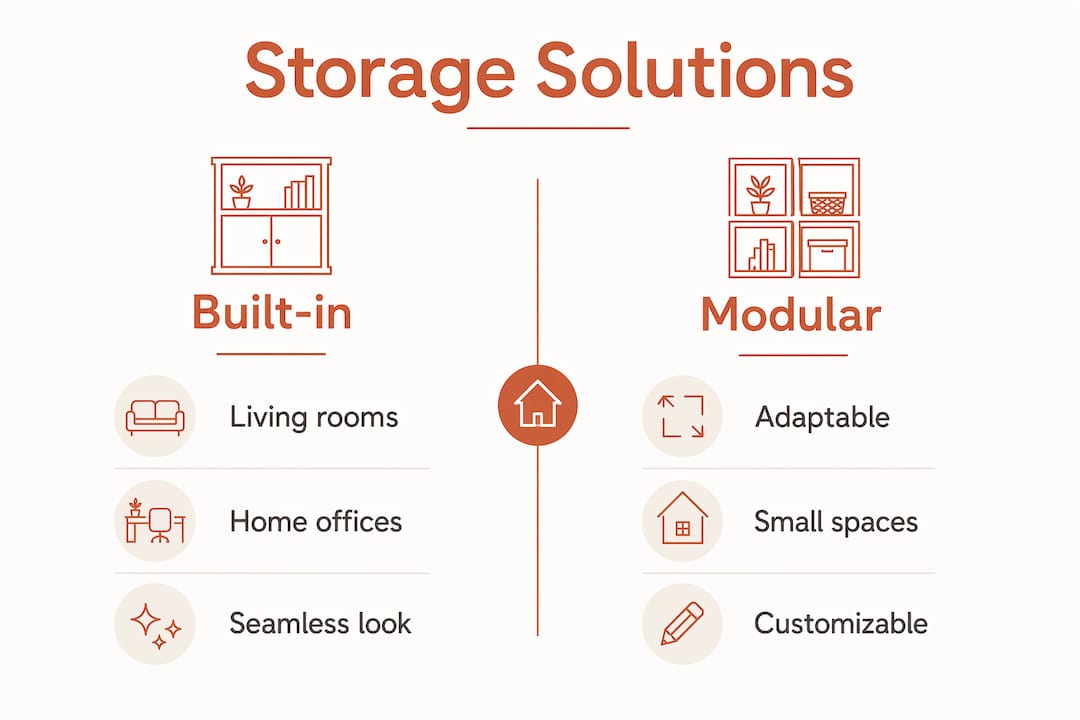
The most effective storage solutions stop looking like storage at all. Matching storage to wall shadow lines and millwork transforms cabinets into seamless wall elements, creating an orchestrated spatial experience rather than a collection of separate pieces.
Practical methods that work in real homes include:
- Built-in cabinetry that aligns with ceiling height and wall planes, so the storage reads as architecture.
- Integrated benches in entryways or mudrooms that combine seating with hidden compartments.
- Pull-out drawers tailored to specific habits, such as a narrow pull-out beside the refrigerator for spice storage or cleaning supplies.
- Furniture with hidden compartments, like a coffee table with a lift-top drawer or a bed frame with under-mattress storage.
Modular, customizable storage takes this further by letting you adapt configurations as your needs change, keeping visual flow intact without starting over.
| Approach | Best for | Aesthetic effect |
|---|---|---|
| Built-in millwork | Living rooms, home offices | Seamless, architectural look |
| Integrated bench storage | Entryways, bedrooms | Dual-purpose, clean lines |
| Modular shelving units | Open-plan spaces, studios | Flexible, cohesive visual rhythm |
| Furniture with hidden storage | Small rooms, living areas | Clutter-free surfaces |
| Pull-out drawers | Kitchens, laundry rooms | Orderly, no visual noise |
Pro Tip: Design storage around your actual daily habits, not around what looks good in a catalog. When storage fits how you really live, it stays organized and the room stays beautiful.
Materials and textures that make storage feel intentional
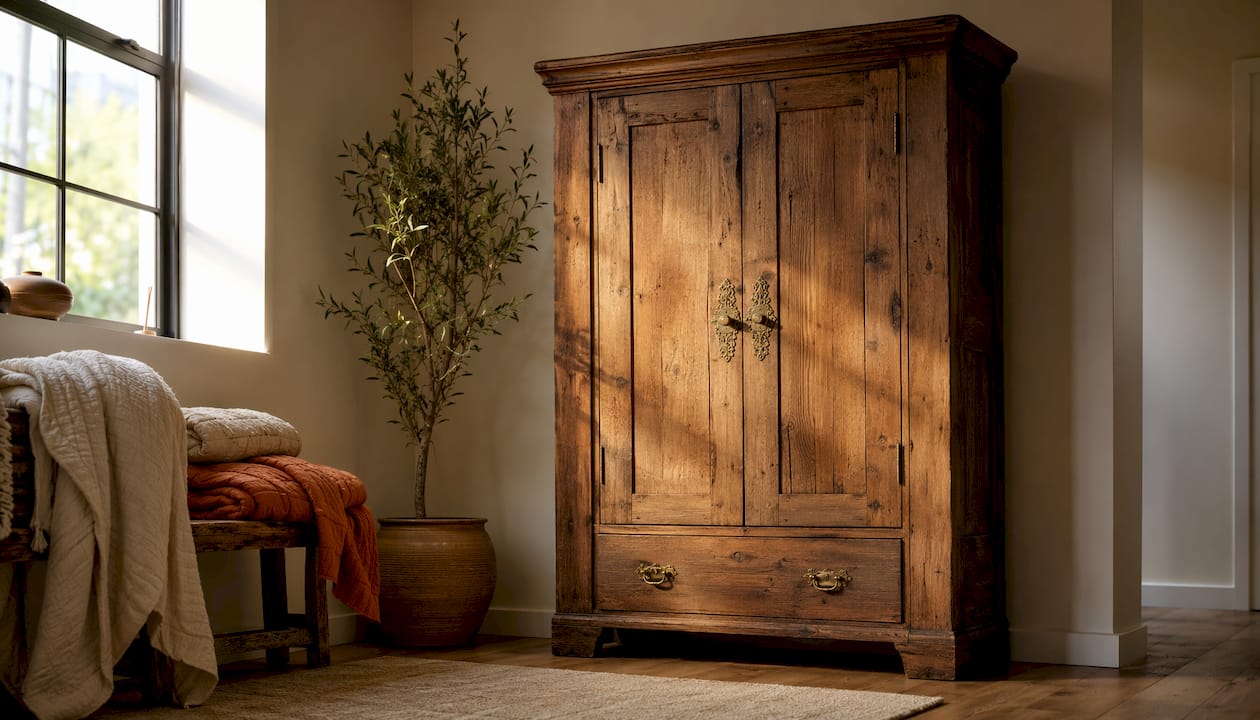
The difference between storage that looks clinical and storage that feels warm often comes down to material choice. Designer Sarah Vanrenen, one half of the design duo Vanrenen-Hanbury, puts it directly: the goal is to steer away from fitted joinery that feels too utilitarian. Her approach involves adding gathered fabric or cane panels to soften the feel, using shaped cornices or plinths to make fitted cupboards feel more like freestanding furniture, and choosing special ironmongery to give each piece a unique character.
That philosophy translates into practical choices you can make at any budget:
- Cane panels on cabinet fronts add texture and a handcrafted quality.
- Gathered fabric behind open shelving conceals clutter while adding softness and color.
- Custom or decorative hardware in brass, matte black, or aged iron gives a piece personality that mass-produced handles cannot.
- Natural materials like rattan, wicker, and solid wood bring warmth and connect a space to the organic world outside.
- Vintage-inspired detailing, such as shaped plinths or antique-style cornices, makes built-in storage feel collected rather than installed.
Intentional storage that embraces style through vintage-inspired armoires and textured baskets creates a home environment that feels curated rather than cluttered. Eco-friendly materials like sustainably sourced wood or natural fiber baskets add another layer of meaning, connecting your design choices to a broader sense of care for your environment.
Pro Tip: When open shelving is not an option, an under-counter curtain in a patterned fabric is a practical and beautiful alternative. It adds color, hides clutter, and costs far less than a custom cabinet door.
Visual and spatial benefits of well-designed storage
Clutter-free surfaces change how a room feels, not just how it looks. Organized spaces with clean lines and balanced lighting enhance home beauty and occupant well-being, producing a genuine sense of order and calm that visitors notice immediately.
Lighting plays a specific role here. Placing a small LED strip inside a glass-fronted cabinet or above open shelving draws the eye upward, adds depth, and makes the storage itself a feature rather than a background element. That layered quality is what separates a designed room from a furnished one.
Layering storage with baskets and closed cabinetry hides clutter while creating visual interest through texture and color variation. The result is a calm, orchestrated space that balances openness with hidden functional zones. A row of matching baskets on an open shelf keeps everything accessible while the clutter stays contained.
Consistent orientation of storage elements, whether all vertical or all horizontal, creates an orderly visual effect. Push-open mechanisms remove hardware entirely for a minimalist look, though they work best when installed thoughtfully to avoid an unfinished feel.
Expert insights on storage, active lifestyles, and home aesthetics
Storage design becomes especially meaningful when it reflects how you actually live. For households that blend fitness routines with intentional home design, the challenge is keeping gear accessible without letting it disrupt the visual calm of a space. The solution is the same principle that applies everywhere else: treat storage as an architectural element, not an isolated utility.
Practical approaches for active homes include:
- Wall-mounted racks for yoga mats, resistance bands, or bikes that turn equipment into a display rather than floor clutter.
- Dedicated storage zones near workout areas, so gear has a home and surfaces stay clear.
- Closed cabinetry in home gym spaces that matches the finish of surrounding furniture, keeping the room cohesive.
- Multi-purpose furniture like storage ottomans or benches that serve both the living space and the fitness space.
At Couchanddumbells, the belief is that a beautiful home and an active life support each other. Blending fitness equipment with home decor is not a compromise. It is a design opportunity. When your gym accessories storage system is thoughtfully designed, the whole room benefits. A well-organized active space also supports motivation. Research from HUMN shows that a clear, intentional environment positively reinforces healthy routines and mental focus.
Key Takeaways
Storage solutions enhance home aesthetics by shifting from hidden necessity to intentional design features that shape visual rhythm, spatial calm, and architectural character.
| Point | Details |
|---|---|
| Storage as design element | Treating storage as architecture, not utility, creates clean surfaces and visual harmony. |
| Architectural integration | Built-in millwork, modular shelving, and hidden furniture storage maintain spatial flow. |
| Tactile materials matter | Cane, gathered fabric, natural wood, and decorative hardware add warmth and personality. |
| Lighting amplifies beauty | Strategic lighting inside or above storage adds depth and turns pieces into features. |
| Active lifestyle alignment | Dedicated, well-designed storage for fitness gear keeps active homes calm and cohesive. |
Bring intentional design into your home
At Couchanddumbells, every piece in the home and interior collection is chosen with this balance in mind: beautiful enough to display, functional enough to earn its place. Whether you are looking for storage that doubles as decor or furniture that quietly does more than it shows, you will find it there. Build a home that looks good and feels even better.
FAQ
Why does storage design affect how a room feels?
Organized, well-designed storage removes visual noise from surfaces, which creates a sense of calm and spaciousness. Functional storage that looks intentional and elegant improves the psychological perception of a home.
What materials work best for aesthetic storage?
Natural materials like cane, rattan, solid wood, and gathered fabric add warmth and texture. Decorative hardware in brass or matte black gives pieces personality beyond standard fitted joinery.
How do you integrate storage without disrupting a room’s design?
Match storage to wall shadow lines and existing millwork so cabinets read as part of the architecture. Modular and built-in options maintain visual flow while adapting to your specific needs.
Can storage solutions work in small spaces without looking cluttered?
Yes. Multipurpose furniture with hidden compartments and modular shelving keep small spaces tidy while maintaining aesthetic appeal. Consistent orientation of storage elements also creates an orderly visual effect.
How does storage support an active home lifestyle?
Dedicated storage zones for fitness gear, wall-mounted racks, and closed cabinetry keep equipment accessible without disrupting the visual calm of a living space.